University Parkway Animal Hospital
(731) 661-0711
Open mobile navigation
  • Home
  • About Us
    • Our Facility
    • Our Staff
    • Hospital Fees
    • Virtual Office Tour
  • Comprehensive Vet Care
  • Services
    • Diarrhea & Vomiting
    • Ear Mites
    • Emergency Care
    • Flea and Tick Prevention
    • Heartworm Disease
      • Heartworm Prevention
      • Heartworm FAQs
    • Importance of Grooming
    • In-House IDEXX Laboratory
    • Lameness & Limping
    • Limb Amputation
    • Microchipping
      • Microchipping FAQs
    • Orthopedic Surgery
      • Dog Knee Surgery
    • Orthopedics
      • Orthopedics FAQs
    • Pet Anxiety
    • Pet Anesthesia
    • Parasite Prevention
      • Flea & Tick Problems
      • Flea & Ticks
    • Pet Boarding
    • Pet Ear Care
      • Pet Ear Infection
    • Pet Medical Examination
    • Pet Dental Care
      • Pet Teeth Cleaning
      • Pet Dental FAQs
      • Tooth Extractions
    • Pet Surgery
      • TPLO Surgery
    • Pet Allergies
      • Pet Allergies FAQs
    • Pet Dehydration and Heatstroke
    • Pet Eye Infections
    • Pet Dermatology
      • Pet Skin Conditions & Treatment
      • Canine Atopic Dermatitis
    • Pet Illness
    • Pet Grooming
    • Preventative Care
    • Pet Wellness Exams
      • Importance of Wellness Exams
    • Pet Urgent/Emergency Care
    • Puppy & Kitten Care
    • Spay and Neuter
      • Spay and Neuter FAQ
    • Soft Tissue Repairs
    • Senior Pet Care
      • Senior Pet Care FAQs
    • Toxic Ingestion
    • Vaccinations
      • Cat Vaccinations
      • Dog Vaccinations
      • Vaccinations FAQs
  • Admissions
  • Online Forms
  • Clinic Hours
  • Contact Us
  • What's New
  • Blog
  • Veterinary Topics
    • Pet Health
      • Chronic Conditions
      • Digestive and Oral Health
      • Diseases and Viruses
      • Pests and Parasites
      • Orthopedics
    • Today's Veterinarian
    • Choosing Your Pet
      • Finding Your Pet
      • Cats
      • Dogs
      • Exotics
        • Amphibians
        • Birds
        • Reptiles
          • Lizards
          • Turtles
      • Small Mammals
        • Ferrets
        • Rabbits
        • Domesticated Animals
          • Prairie Dogs
        • Pocket Pets
          • Chinchillas
          • Guinea Pigs
          • Hamsters
          • Hedgehogs
          • Rats
      • Livestock
        • Cows
        • Donkeys, Horses & Mules
        • Goats
        • Pigs
        • Poultry
        • Sheep
    • Living With Your Pet
      • Bringing Your Pet Home
      • Children and Pets
      • Providing Care
      • Travel
      • Saying Goodbye
    • Newsletter Library
      • Cats
      • Tips for Pet Owners
      • Behavior & Training
      • Fleas & Parasites
      • Keeping Pets Healthy
      • Recognizing Illness
      • Nutrition & Food
      • Pet Dangers
      • Seasonal Topics
      • Visiting the Vet
      • Equine
      • Newsletter Archive
        • Fun with Pets
        • Unbelievable Pets
    • Video Newsroom
      • Health Topics
      • Technology and Science
      • Other Interests
    • Newsletter Library
    • Client Survey
    • Pets4Kids
  • Home >
  • Articles >
  • Pet Health >
  • Liver Shunt

Liver Shunt

  • Created in Pet Health
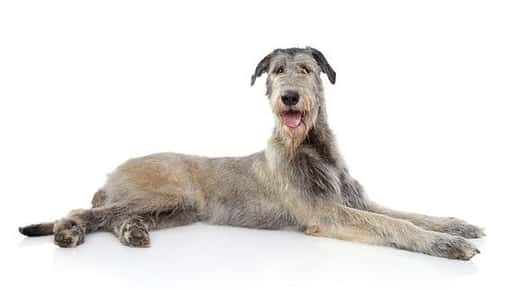
Image of dog laying down.

A liver shunt is also named a PSS, portosystemic shunt, portacaval shunt or portosystemic vascular anomaly. This abnormality occurs when a pet's venous blood from the intestine bypasses the liver. In the normal pet, blood vessels pick up nutrients from ingested material in the intestine and carry it to the liver to be processed. In the case of a shunt, an abnormal blood vessel carries this blood around the liver and dumps the nutrients directly into the general circulation. Toxins build up in the bloodstream as a result. The pet can be born with the shunt (congenital) or can develop it later (acquired).

Breeds at increased risk for congenital shunts include Cairn Terriers, Yorkshire Terriers, Maltese, Irish Wolfhounds, Himalayans and Persians. An acquired shunt can develop in any breed and is usually caused by liver problems due to toxins, hepatitis, infections, inflammation, etc.

Symptoms of a liver shunt include stunted growth, weight loss, vomiting, diarrhea, lethargy, unresponsiveness, seizures, disorientation, poor skin and coat, excessive drinking and urination. Some pets will have a single sign and some with have several.

The diagnosis is made with blood tests, urinalysis and imaging tests (radiographs and/or ultrasounds). A liver function test called bile acids is usually very suggestive for a liver shunt when the values are very high. Another diagnostic test that can be performed is nuclear scintigraphy, which must be done at a referral specialty facility. Yet another possible diagnostic test that can be performed is a CT scan.

The treatment and how well the pet responds are dependent on many things including the location and severity of the shunt. Some pets will do well for long periods of time with medical management only. Medical management includes a low protein diet, antibiotics and lactulose. Surgical repair is commonly done for congenital shunts and again the success is dependent on the location and severity of the shunt.

  • Pet Health
    • Chronic Conditions
    • Digestive and Oral Health
    • Diseases and Viruses
    • Pests and Parasites
    • Orthopedics
  • Today's Veterinarian
  • Choosing Your Pet
    • Finding Your Pet
    • Cats
    • Dogs
    • Exotics
      • Amphibians
      • Birds
      • Reptiles
        • Lizards
        • Turtles
    • Small Mammals
      • Ferrets
      • Rabbits
      • Domesticated Animals
        • Prairie Dogs
      • Pocket Pets
        • Chinchillas
        • Guinea Pigs
        • Hamsters
        • Hedgehogs
        • Rats
    • Livestock
      • Cows
      • Donkeys, Horses & Mules
      • Goats
      • Pigs
      • Poultry
      • Sheep
  • Living With Your Pet
    • Bringing Your Pet Home
    • Children and Pets
    • Providing Care
    • Travel
    • Saying Goodbye
  • Newsletter Library
    • Cats
    • Tips for Pet Owners
    • Behavior & Training
    • Fleas & Parasites
    • Keeping Pets Healthy
    • Recognizing Illness
    • Nutrition & Food
    • Pet Dangers
    • Seasonal Topics
    • Visiting the Vet
    • Equine
    • Newsletter Archive
      • Fun with Pets
      • Unbelievable Pets
  • Video Newsroom
    • Health Topics
    • Technology and Science
    • Other Interests
  • Newsletter Library
  • Client Survey
  • Pets4Kids

Sign up using the form below or call (731) 661-0711 to make an appointment.

Error!

    • Services

      We strive to be your best Jackson veterinary clinic.
    • Make An Appointment

      University Parkway Animal Hospital will do our best to accommodate your busy schedule!
    • Online Pharmacy

      Check out our pharmacy, hosted by your vet in Jackson.

    Office Hours

    Our Regular Schedule

    Monday:

    7:30 am-5:00 pm

    Tuesday:

    7:30 am-12:00 pm

    Wednesday:

    7:30 am-5:00 pm

    Thursday:

    7:30 am-5:00 pm

    Friday:

    7:30 am-5:00 pm

    Saturday:

    Closed

    Sunday:

    Closed

    Location

    Find us on the map

    Testimonials

    What University Parkway Vet Clients Say

    Took my kitten there today (they are not closed, as the Facebook page says!), and loved it! Very kind, friendly staff who really give their time and attention to your pet! Highly recommend!

    Kippi Wood Adams

    Newsletter Sign Up

    Sign up for more articles

    Error!

      • Copyright © 2026 MH Sub I, LLC dba iMatrix.
      • Admin Log In
      • Site Map