University Parkway Animal Hospital
(731) 661-0711
Open mobile navigation
  • Home
  • About Us
    • Our Facility
    • Our Staff
    • Hospital Fees
    • Virtual Office Tour
  • Comprehensive Vet Care
  • Services
    • Diarrhea & Vomiting
    • Ear Mites
    • Emergency Care
    • Flea and Tick Prevention
    • Heartworm Disease
      • Heartworm Prevention
      • Heartworm FAQs
    • Importance of Grooming
    • In-House IDEXX Laboratory
    • Lameness & Limping
    • Limb Amputation
    • Microchipping
      • Microchipping FAQs
    • Orthopedic Surgery
      • Dog Knee Surgery
    • Orthopedics
      • Orthopedics FAQs
    • Pet Anxiety
    • Pet Anesthesia
    • Parasite Prevention
      • Flea & Tick Problems
      • Flea & Ticks
    • Pet Boarding
    • Pet Ear Care
      • Pet Ear Infection
    • Pet Medical Examination
    • Pet Dental Care
      • Pet Teeth Cleaning
      • Pet Dental FAQs
      • Tooth Extractions
    • Pet Surgery
      • TPLO Surgery
    • Pet Allergies
      • Pet Allergies FAQs
    • Pet Dehydration and Heatstroke
    • Pet Eye Infections
    • Pet Dermatology
      • Pet Skin Conditions & Treatment
      • Canine Atopic Dermatitis
    • Pet Illness
    • Pet Grooming
    • Preventative Care
    • Pet Wellness Exams
      • Importance of Wellness Exams
    • Pet Urgent/Emergency Care
    • Puppy & Kitten Care
    • Spay and Neuter
      • Spay and Neuter FAQ
    • Soft Tissue Repairs
    • Senior Pet Care
      • Senior Pet Care FAQs
    • Toxic Ingestion
    • Vaccinations
      • Cat Vaccinations
      • Dog Vaccinations
      • Vaccinations FAQs
  • Admissions
  • Online Forms
  • Clinic Hours
  • Contact Us
  • What's New
  • Blog
  • Veterinary Topics
    • Pet Health
      • Chronic Conditions
      • Digestive and Oral Health
      • Diseases and Viruses
      • Pests and Parasites
      • Orthopedics
    • Today's Veterinarian
    • Choosing Your Pet
      • Finding Your Pet
      • Cats
      • Dogs
      • Exotics
        • Amphibians
        • Birds
        • Reptiles
          • Lizards
          • Turtles
      • Small Mammals
        • Ferrets
        • Rabbits
        • Domesticated Animals
          • Prairie Dogs
        • Pocket Pets
          • Chinchillas
          • Guinea Pigs
          • Hamsters
          • Hedgehogs
          • Rats
      • Livestock
        • Cows
        • Donkeys, Horses & Mules
        • Goats
        • Pigs
        • Poultry
        • Sheep
    • Living With Your Pet
      • Bringing Your Pet Home
      • Children and Pets
      • Providing Care
      • Travel
      • Saying Goodbye
    • Newsletter Library
      • Cats
      • Tips for Pet Owners
      • Behavior & Training
      • Fleas & Parasites
      • Keeping Pets Healthy
      • Recognizing Illness
      • Nutrition & Food
      • Pet Dangers
      • Seasonal Topics
      • Visiting the Vet
      • Equine
      • Newsletter Archive
        • Fun with Pets
        • Unbelievable Pets
    • Video Newsroom
      • Health Topics
      • Technology and Science
      • Other Interests
    • Newsletter Library
    • Client Survey
    • Pets4Kids
  • Home >
  • Articles >
  • Video Newsroom >
  • Other Interests >
  • Traveling with Pets

Traveling with Pets

  • Created in Video Newsroom, Other Interests
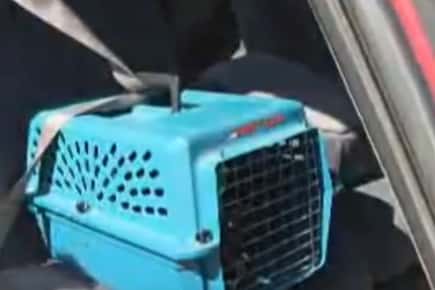
Image of a seatbelt strap securing a pet carrier in a car.

According to a survey of pet owners by the American Animal Hospital Association (AAHA), more than 53% of dog and cats will travel with their owners. With the upcoming busy travel season, what are the best ways of traveling with your best friend?

It has been said that "an ounce of prevention is worth a pound of cure". For pet owners preparing to travel by plane or car, a few ounces of preparation and time will prevent future heartaches and frustrations on the trip. First, make sure that your pet has proper identification on him or her at all times. This can be something as simple as an ID tag on his collar, but a more permanent solution would be the use of an implantable microchip. Next, make sure you have copies of vaccination records and needed medications easily accessible during the trip. You might even ask your family veterinarian for a recommendation of an emergency hospital near your destination. And finally, do your homework. Some airlines and travel sites may require a health certificate for your pet. This document must be dated within 10 days of the start of your travels.

For pets who will be flying with their owners, good communication with the airlines is a must. In all cases, your four legged friend needs to be over 8 weeks old and weaned for at least 5 days. Most airlines will require the above mentioned health certificate and all recommend arriving at the airport early to insure the smooth check-in of your pet. Kennels that will be checked into the cargo area must be non-collapsible, large enough to allow the pet to stand and have a leak-proof bottom covered with absorbent material. Be sure to check the weather at home and at your destination. Some specific breeds and individual pets may not do well, especially during the warmer temperatures of summer. Airlines may refuse to transport pets if the temperature exceeds 85 degrees in the cargo hold or is less than 45 degrees anywhere along the itinerary. American Airlines, for example, requires a veterinarian's statement that the pet is acclimated to cold weather if the temperature drops below 45 degrees.

Many owners are very worried about the safety of their pets in flight and during boarding procedures. According to the website, www.dryfur.com, the majority of accidents and injuries that happen to pets are the result of poor quality carriers or kennels that are missing pieces. Again, a few moments of preparation by the owner can avoid a loss or death of their pet. And for those owners who have contemplated sedation for their pets, the answer is a resounding NO! The AVMA, and the American Humane Association both agree empathically that sedation during flight is a risk pet owners should not take.

Traveling by car may be less complex than air travel, but due to the longer time frames, owners need to plan rest stops and exercise times for their animal companions. The AVMA recommends that you keep a jug of fresh water in the car to avoid times when reliable water sources may not be available. Pets will travel better with small amounts of food and water in their system frequently rather than allowing the pet to eat his or her normal ration. Cats should be kept in carriers or cages during travel to avoid potential accidents if the pet gets "underfoot" of the driver.

When you reach your destination, be sure that you are aware of pet-friendly hotels and campsites in the area. Also, veterinary and animal experts recommend owners to be "considerate" and have a kennel or crate available. There are many sites online that can help you find lodging that allow pets. At www.petswelcome.com, over 25,000 hotels and other locations that allow pets are listed. For owners who will be camping with their dogs, veterinarians recommend the application of a topical flea and tick preventative to help avoid bringing home any unwanted guests.

So, as the busy travel season gets underway, remember that many problems and potential injuries can easily be avoided with a little bit of preparation and homework.

  • Pet Health
    • Chronic Conditions
    • Digestive and Oral Health
    • Diseases and Viruses
    • Pests and Parasites
    • Orthopedics
  • Today's Veterinarian
  • Choosing Your Pet
    • Finding Your Pet
    • Cats
    • Dogs
    • Exotics
      • Amphibians
      • Birds
      • Reptiles
        • Lizards
        • Turtles
    • Small Mammals
      • Ferrets
      • Rabbits
      • Domesticated Animals
        • Prairie Dogs
      • Pocket Pets
        • Chinchillas
        • Guinea Pigs
        • Hamsters
        • Hedgehogs
        • Rats
    • Livestock
      • Cows
      • Donkeys, Horses & Mules
      • Goats
      • Pigs
      • Poultry
      • Sheep
  • Living With Your Pet
    • Bringing Your Pet Home
    • Children and Pets
    • Providing Care
    • Travel
    • Saying Goodbye
  • Newsletter Library
    • Cats
    • Tips for Pet Owners
    • Behavior & Training
    • Fleas & Parasites
    • Keeping Pets Healthy
    • Recognizing Illness
    • Nutrition & Food
    • Pet Dangers
    • Seasonal Topics
    • Visiting the Vet
    • Equine
    • Newsletter Archive
      • Fun with Pets
      • Unbelievable Pets
  • Video Newsroom
    • Health Topics
    • Technology and Science
    • Other Interests
  • Newsletter Library
  • Client Survey
  • Pets4Kids

Sign up using the form below or call (731) 661-0711 to make an appointment.

Error!

    • Services

      We strive to be your best Jackson veterinary clinic.
    • Make An Appointment

      University Parkway Animal Hospital will do our best to accommodate your busy schedule!
    • Online Pharmacy

      Check out our pharmacy, hosted by your vet in Jackson.

    Office Hours

    Our Regular Schedule

    Monday:

    7:30 am-5:00 pm

    Tuesday:

    7:30 am-12:00 pm

    Wednesday:

    7:30 am-5:00 pm

    Thursday:

    7:30 am-5:00 pm

    Friday:

    7:30 am-5:00 pm

    Saturday:

    Closed

    Sunday:

    Closed

    Location

    Find us on the map

    Testimonials

    What University Parkway Vet Clients Say

    Took my kitten there today (they are not closed, as the Facebook page says!), and loved it! Very kind, friendly staff who really give their time and attention to your pet! Highly recommend!

    Kippi Wood Adams

    Newsletter Sign Up

    Sign up for more articles

    Error!

      • Copyright © 2026 MH Sub I, LLC dba iMatrix.
      • Admin Log In
      • Site Map