University Parkway Animal Hospital
(731) 661-0711
Open mobile navigation
  • Home
  • About Us
    • Our Facility
    • Our Staff
    • Hospital Fees
    • Virtual Office Tour
  • Comprehensive Vet Care
  • Services
    • Diarrhea & Vomiting
    • Ear Mites
    • Emergency Care
    • Flea and Tick Prevention
    • Heartworm Disease
      • Heartworm Prevention
      • Heartworm FAQs
    • Importance of Grooming
    • In-House IDEXX Laboratory
    • Lameness & Limping
    • Limb Amputation
    • Microchipping
      • Microchipping FAQs
    • Orthopedic Surgery
      • Dog Knee Surgery
    • Orthopedics
      • Orthopedics FAQs
    • Pet Anxiety
    • Pet Anesthesia
    • Parasite Prevention
      • Flea & Tick Problems
      • Flea & Ticks
    • Pet Boarding
    • Pet Ear Care
      • Pet Ear Infection
    • Pet Medical Examination
    • Pet Dental Care
      • Pet Teeth Cleaning
      • Pet Dental FAQs
      • Tooth Extractions
    • Pet Surgery
      • TPLO Surgery
    • Pet Allergies
      • Pet Allergies FAQs
    • Pet Dehydration and Heatstroke
    • Pet Eye Infections
    • Pet Dermatology
      • Pet Skin Conditions & Treatment
      • Canine Atopic Dermatitis
    • Pet Illness
    • Pet Grooming
    • Preventative Care
    • Pet Wellness Exams
      • Importance of Wellness Exams
    • Pet Urgent/Emergency Care
    • Puppy & Kitten Care
    • Spay and Neuter
      • Spay and Neuter FAQ
    • Soft Tissue Repairs
    • Senior Pet Care
      • Senior Pet Care FAQs
    • Toxic Ingestion
    • Vaccinations
      • Cat Vaccinations
      • Dog Vaccinations
      • Vaccinations FAQs
  • Admissions
  • Online Forms
  • Clinic Hours
  • Contact Us
  • What's New
  • Blog
  • Veterinary Topics
    • Pet Health
      • Chronic Conditions
      • Digestive and Oral Health
      • Diseases and Viruses
      • Pests and Parasites
      • Orthopedics
    • Today's Veterinarian
    • Choosing Your Pet
      • Finding Your Pet
      • Cats
      • Dogs
      • Exotics
        • Amphibians
        • Birds
        • Reptiles
          • Lizards
          • Turtles
      • Small Mammals
        • Ferrets
        • Rabbits
        • Domesticated Animals
          • Prairie Dogs
        • Pocket Pets
          • Chinchillas
          • Guinea Pigs
          • Hamsters
          • Hedgehogs
          • Rats
      • Livestock
        • Cows
        • Donkeys, Horses & Mules
        • Goats
        • Pigs
        • Poultry
        • Sheep
    • Living With Your Pet
      • Bringing Your Pet Home
      • Children and Pets
      • Providing Care
      • Travel
      • Saying Goodbye
    • Newsletter Library
      • Cats
      • Tips for Pet Owners
      • Behavior & Training
      • Fleas & Parasites
      • Keeping Pets Healthy
      • Recognizing Illness
      • Nutrition & Food
      • Pet Dangers
      • Seasonal Topics
      • Visiting the Vet
      • Equine
      • Newsletter Archive
        • Fun with Pets
        • Unbelievable Pets
    • Video Newsroom
      • Health Topics
      • Technology and Science
      • Other Interests
    • Newsletter Library
    • Client Survey
    • Pets4Kids
  • Home >
  • Articles >
  • Newsletter Library >
  • Newsletter Archive >
  • Unbelievable Pets >
  • Assistance Dogs Offer Many Benefits

Assistance Dogs Offer Many Benefits

  • Created in Newsletter Library, Newsletter Archive, Unbelievable Pets
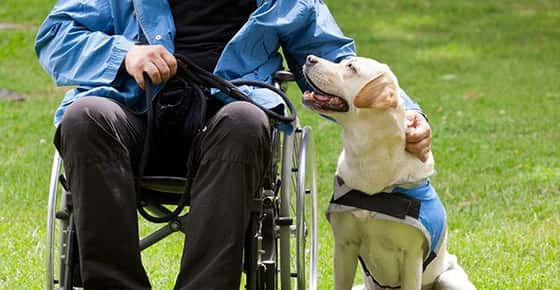
Image of an assistance dog and man in wheel chair.

Assistance dogs are not just for blind or visually impaired people. Today, these dogs help people with a range of conditions enjoy full lives.

Guide Dogs

Guide dogs, also known as Seeing Eye dogs, help blind and visually impaired people live independent lives. These dogs "see" for their owners and help them travel safely to work, school and other destinations. Guide dogs are trained to stop to alert their owners if there are changes in elevation ahead, such as curb or stairs, of if there are overhead obstacles, such as low-hanging tree branches.

German Shepherds, Golden Retrievers and Labrador Retrievers are usually chosen to serve as guide dogs. Puppies live with volunteer families until they are 1 year old and then spend the next four to six months learning how to assist blind and visually impaired owners. Once they meet training requirements, they are matched with an owner.

Hearing Dogs

It's not easy to be deaf or hard of hearing in a world full of sounds. Hearing dogs offer a valuable service by alerting their owners to important sounds, including ringing telephones, crying babies, doorbells or buzzing smoke alarms. These mixed breed dogs are typically a little smaller than guide dogs and are often rescued from animal shelters. They receive specialized training that allows them to make sure that deaf and hard of hearing people do not miss important auditory cues.

Service Dogs

Service dogs help people with other types of disabilities. They may be trained to alert someone with a seizure disorder when a seizure is likely to occur, help steady a person with balance problems, pull a wheelchair or fetch items that are out of the reach of a disabled person. These dogs can be trained to perform a variety of tasks, such as opening and closing doors, turning on light switches and keeping children with autism from wandering. Labrador or Golden Retrievers, some of whom come from animal shelters, are often chosen to be service dogs.

Emotional Support Dogs

An emotional support animal provides companionship to someone who has a psychiatric disability or mental impairment. Unlike other types of assistance animals, these dogs are not trained to perform a specific function. Their presence can help reduce stress and loneliness and lower anxiety. Caring for emotional support dogs also provides opportunities for the owners to spend time outdoors and socialize with other people.

Where Are Assistance Dogs Welcome?

Assistance dogs are welcome everywhere their owners are. In fact, the Americans With Disabilities Act (A.D.A.) stipulates that trained assistance dogs are permitted to accompany people with disabilities anywhere they need to go, including stores, restaurants and hotels. Because emotional support dogs are not trained to fulfill a specific purpose, they are not offered the same protections provide by the law; although many stores and other businesses still allow the dogs to accompany customers and clients.

Although the provisions of the A.D.A. do not apply to emotional service dogs, the U.S. Department of Housing and Urban Development has passed a regulation that allows emotional support dogs to live with their owners in designated non-pet housing, as long as the owner can produce a letter of need from a doctor.

Whether you have an assistance animal or your dog is the cherished family pet, a yearly veterinary examination will help ensure that your furry friend remains healthy and happy. Call us today to schedule your pet's next exam.

  • Pet Health
    • Chronic Conditions
    • Digestive and Oral Health
    • Diseases and Viruses
    • Pests and Parasites
    • Orthopedics
  • Today's Veterinarian
  • Choosing Your Pet
    • Finding Your Pet
    • Cats
    • Dogs
    • Exotics
      • Amphibians
      • Birds
      • Reptiles
        • Lizards
        • Turtles
    • Small Mammals
      • Ferrets
      • Rabbits
      • Domesticated Animals
        • Prairie Dogs
      • Pocket Pets
        • Chinchillas
        • Guinea Pigs
        • Hamsters
        • Hedgehogs
        • Rats
    • Livestock
      • Cows
      • Donkeys, Horses & Mules
      • Goats
      • Pigs
      • Poultry
      • Sheep
  • Living With Your Pet
    • Bringing Your Pet Home
    • Children and Pets
    • Providing Care
    • Travel
    • Saying Goodbye
  • Newsletter Library
    • Cats
    • Tips for Pet Owners
    • Behavior & Training
    • Fleas & Parasites
    • Keeping Pets Healthy
    • Recognizing Illness
    • Nutrition & Food
    • Pet Dangers
    • Seasonal Topics
    • Visiting the Vet
    • Equine
    • Newsletter Archive
      • Fun with Pets
      • Unbelievable Pets
  • Video Newsroom
    • Health Topics
    • Technology and Science
    • Other Interests
  • Newsletter Library
  • Client Survey
  • Pets4Kids

Sign up using the form below or call (731) 661-0711 to make an appointment.

Error!

    • Services

      We strive to be your best Jackson veterinary clinic.
    • Make An Appointment

      University Parkway Animal Hospital will do our best to accommodate your busy schedule!
    • Online Pharmacy

      Check out our pharmacy, hosted by your vet in Jackson.

    Office Hours

    Our Regular Schedule

    Monday:

    7:30 am-5:00 pm

    Tuesday:

    7:30 am-12:00 pm

    Wednesday:

    7:30 am-5:00 pm

    Thursday:

    7:30 am-5:00 pm

    Friday:

    7:30 am-5:00 pm

    Saturday:

    Closed

    Sunday:

    Closed

    Location

    Find us on the map

    Testimonials

    What University Parkway Vet Clients Say

    Took my kitten there today (they are not closed, as the Facebook page says!), and loved it! Very kind, friendly staff who really give their time and attention to your pet! Highly recommend!

    Kippi Wood Adams

    Newsletter Sign Up

    Sign up for more articles

    Error!

      • Copyright © 2026 MH Sub I, LLC dba iMatrix.
      • Admin Log In
      • Site Map