University Parkway Animal Hospital
(731) 661-0711
Open mobile navigation
  • Home
  • About Us
    • Our Facility
    • Our Staff
    • Hospital Fees
    • Virtual Office Tour
  • Comprehensive Vet Care
  • Services
    • Diarrhea & Vomiting
    • Ear Mites
    • Emergency Care
    • Flea and Tick Prevention
    • Heartworm Disease
      • Heartworm Prevention
      • Heartworm FAQs
    • Importance of Grooming
    • In-House IDEXX Laboratory
    • Lameness & Limping
    • Limb Amputation
    • Microchipping
      • Microchipping FAQs
    • Orthopedic Surgery
      • Dog Knee Surgery
    • Orthopedics
      • Orthopedics FAQs
    • Pet Anxiety
    • Pet Anesthesia
    • Parasite Prevention
      • Flea & Tick Problems
      • Flea & Ticks
    • Pet Boarding
    • Pet Ear Care
      • Pet Ear Infection
    • Pet Medical Examination
    • Pet Dental Care
      • Pet Teeth Cleaning
      • Pet Dental FAQs
      • Tooth Extractions
    • Pet Surgery
      • TPLO Surgery
    • Pet Allergies
      • Pet Allergies FAQs
    • Pet Dehydration and Heatstroke
    • Pet Eye Infections
    • Pet Dermatology
      • Pet Skin Conditions & Treatment
      • Canine Atopic Dermatitis
    • Pet Illness
    • Pet Grooming
    • Preventative Care
    • Pet Wellness Exams
      • Importance of Wellness Exams
    • Pet Urgent/Emergency Care
    • Puppy & Kitten Care
    • Spay and Neuter
      • Spay and Neuter FAQ
    • Soft Tissue Repairs
    • Senior Pet Care
      • Senior Pet Care FAQs
    • Toxic Ingestion
    • Vaccinations
      • Cat Vaccinations
      • Dog Vaccinations
      • Vaccinations FAQs
  • Admissions
  • Online Forms
  • Clinic Hours
  • Contact Us
  • What's New
  • Blog
  • Veterinary Topics
    • Pet Health
      • Chronic Conditions
      • Digestive and Oral Health
      • Diseases and Viruses
      • Pests and Parasites
      • Orthopedics
    • Today's Veterinarian
    • Choosing Your Pet
      • Finding Your Pet
      • Cats
      • Dogs
      • Exotics
        • Amphibians
        • Birds
        • Reptiles
          • Lizards
          • Turtles
      • Small Mammals
        • Ferrets
        • Rabbits
        • Domesticated Animals
          • Prairie Dogs
        • Pocket Pets
          • Chinchillas
          • Guinea Pigs
          • Hamsters
          • Hedgehogs
          • Rats
      • Livestock
        • Cows
        • Donkeys, Horses & Mules
        • Goats
        • Pigs
        • Poultry
        • Sheep
    • Living With Your Pet
      • Bringing Your Pet Home
      • Children and Pets
      • Providing Care
      • Travel
      • Saying Goodbye
    • Newsletter Library
      • Cats
      • Tips for Pet Owners
      • Behavior & Training
      • Fleas & Parasites
      • Keeping Pets Healthy
      • Recognizing Illness
      • Nutrition & Food
      • Pet Dangers
      • Seasonal Topics
      • Visiting the Vet
      • Equine
      • Newsletter Archive
        • Fun with Pets
        • Unbelievable Pets
    • Video Newsroom
      • Health Topics
      • Technology and Science
      • Other Interests
    • Newsletter Library
    • Client Survey
    • Pets4Kids
  • Home >
  • Articles >
  • Newsletter Library >
  • Recognizing Illness >
  • Matters of the Heart

Matters of the Heart

  • Created in Newsletter Library, Recognizing Illness
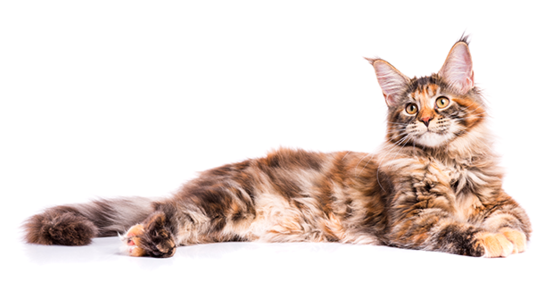
Image of a cat.

Many diseases of people also occur in pets. A problem that is common in people, dogs, and cats is heart disease. While these disorders have some things in common, many ailments of the heart in pets are completely different than what occurs in people. Recent surveys have shown that 11% of all dogs have heart disease, and up to 20% of all cats may have some degree of heart disease.

The statistics change depending on the age and breed of pet. Approximately one-third of dogs 13 years of age and older will have heart disease. Some breeds of dogs have higher rates of heart disease than others. Cavalier King Charles Spaniel is the breed with the highest rate of heart disease, most commonly degenerative mitral valve disease.

It is a genetic disease that causes a heart valve to become deformed. Some veterinary cardiologists say this disease may occur in 80 to 90% of Cavaliers. Other breeds of dogs with higher than normal rates of heart disease include Dachshund, Doberman Pinscher, Great Dane, and small breeds in general. Cat breeds predisposed to heart disease are Maine Coon, Ragdoll, American Shorthair, and Persians; these also have a genetic basis.

Heart attacks are common in people but do not occur in pets because pets do not have coronary vessel disease. High levels of cholesterol and plaque clog the arteries supplying the heart muscle in some people; when the muscle reaches a critical point, a heart attack occurs. Pets process cholesterol differently than people do; pet's blood vessels do not become occluded.
Heart disease in dogs can be divided into three types, in order of prevalence, as valve disease, cardiomyopathy, and congenital heart deformities.

Valve disease occurs as the pet ages, and causes the valves to become thickened and irregular so they leak. In a normal heart, as the heart contracts, the valves fall into place and create a seal so the blood can go only one direction as the heart squeezes. When the valves leak, some blood can go backwards, and cause problems because there is over-distention of the upper heart chamber. Eventually, as the valve leaks more, more blood goes backwards, and fluid builds up behind the poorly functioning pump (heart), and the pet goes into congestive heart failure.

Cardiomyopathy is more common in the larger breeds of dogs, especially Doberman Pinschers and Great Danes. Most frequently this is in the form of dilated Cardiomyopathy, where the heart muscle becomes thin and flaccid, and can't contract well. This is a very serious disease with a poor prognosis. When people have this problem they are commonly put on the heart transplant list.
There are many different types of congenital heart deformities, although none are especially common in pets. Some of these are serious and some will never bother the pet. Patent ductus arteriosus is one of the more common congenital heart diseases in the dog.

Cats rarely have valvular or congenital heart diseases. Cardiomyopathy is by far the most common heart disease in cats. There are several different types of Cardiomyopathy, but Hypertrophic Cardiomyopathy (HCM) is by far the most common form. With this disease, the heart muscle becomes very thickened, to the point it decreases the amount of blood that can come into the heart, and the heart wall becomes stiff so that it can't pump well. HCM cats are prone to forming clots in the heart that are then flushed to other areas of the body; symptoms depend on where the clot goes. The most common event is for the clot to be washed down the aorta, and to lodge where the aorta divides to go into the rear legs. These cats are presented because they suddenly can't use their back legs and are in pain. HCM cats can also go into congestive heart failure, or they can have acute death. The most frustrating aspect for the veterinarian is that one-third of HCM cats do not have a murmur.

Heartworm disease is a common cause of heart and lung disease in both cats and dogs. This can cause congestive heart failure, fluid build up in the abdomen, weight loss, coughing (especially in cats), or sudden death. All dogs and cats should be on a monthly heartworm preventative.For all these heart diseases, except heartworm disease, the best method of diagnosis or evaluation is by an echocardiogram (a cardiac ultrasound) that looks inside the heart to evaluate the chamber sizes, valves, and direction and quality of the blood flow. An echo should be performed only by a veterinary cardiologist. These are veterinarians who have years of training in just heart disease. You can locate one in your area by consulting the web site www.acvim.org.

  • Pet Health
    • Chronic Conditions
    • Digestive and Oral Health
    • Diseases and Viruses
    • Pests and Parasites
    • Orthopedics
  • Today's Veterinarian
  • Choosing Your Pet
    • Finding Your Pet
    • Cats
    • Dogs
    • Exotics
      • Amphibians
      • Birds
      • Reptiles
        • Lizards
        • Turtles
    • Small Mammals
      • Ferrets
      • Rabbits
      • Domesticated Animals
        • Prairie Dogs
      • Pocket Pets
        • Chinchillas
        • Guinea Pigs
        • Hamsters
        • Hedgehogs
        • Rats
    • Livestock
      • Cows
      • Donkeys, Horses & Mules
      • Goats
      • Pigs
      • Poultry
      • Sheep
  • Living With Your Pet
    • Bringing Your Pet Home
    • Children and Pets
    • Providing Care
    • Travel
    • Saying Goodbye
  • Newsletter Library
    • Cats
    • Tips for Pet Owners
    • Behavior & Training
    • Fleas & Parasites
    • Keeping Pets Healthy
    • Recognizing Illness
    • Nutrition & Food
    • Pet Dangers
    • Seasonal Topics
    • Visiting the Vet
    • Equine
    • Newsletter Archive
      • Fun with Pets
      • Unbelievable Pets
  • Video Newsroom
    • Health Topics
    • Technology and Science
    • Other Interests
  • Newsletter Library
  • Client Survey
  • Pets4Kids

Sign up using the form below or call (731) 661-0711 to make an appointment.

Error!

    • Services

      We strive to be your best Jackson veterinary clinic.
    • Make An Appointment

      University Parkway Animal Hospital will do our best to accommodate your busy schedule!
    • Online Pharmacy

      Check out our pharmacy, hosted by your vet in Jackson.

    Office Hours

    Our Regular Schedule

    Monday:

    7:30 am-5:00 pm

    Tuesday:

    7:30 am-12:00 pm

    Wednesday:

    7:30 am-5:00 pm

    Thursday:

    7:30 am-5:00 pm

    Friday:

    7:30 am-5:00 pm

    Saturday:

    Closed

    Sunday:

    Closed

    Location

    Find us on the map

    Testimonials

    What University Parkway Vet Clients Say

    Took my kitten there today (they are not closed, as the Facebook page says!), and loved it! Very kind, friendly staff who really give their time and attention to your pet! Highly recommend!

    Kippi Wood Adams

    Newsletter Sign Up

    Sign up for more articles

    Error!

      • Copyright © 2026 MH Sub I, LLC dba iMatrix.
      • Admin Log In
      • Site Map