University Parkway Animal Hospital
(731) 661-0711
Open mobile navigation
  • Home
  • About Us
    • Our Facility
    • Our Staff
    • Hospital Fees
    • Virtual Office Tour
  • Comprehensive Vet Care
  • Services
    • Diarrhea & Vomiting
    • Ear Mites
    • Emergency Care
    • Flea and Tick Prevention
    • Heartworm Disease
      • Heartworm Prevention
      • Heartworm FAQs
    • Importance of Grooming
    • In-House IDEXX Laboratory
    • Lameness & Limping
    • Limb Amputation
    • Microchipping
      • Microchipping FAQs
    • Orthopedic Surgery
      • Dog Knee Surgery
    • Orthopedics
      • Orthopedics FAQs
    • Pet Anxiety
    • Pet Anesthesia
    • Parasite Prevention
      • Flea & Tick Problems
      • Flea & Ticks
    • Pet Boarding
    • Pet Ear Care
      • Pet Ear Infection
    • Pet Medical Examination
    • Pet Dental Care
      • Pet Teeth Cleaning
      • Pet Dental FAQs
      • Tooth Extractions
    • Pet Surgery
      • TPLO Surgery
    • Pet Allergies
      • Pet Allergies FAQs
    • Pet Dehydration and Heatstroke
    • Pet Eye Infections
    • Pet Dermatology
      • Pet Skin Conditions & Treatment
      • Canine Atopic Dermatitis
    • Pet Illness
    • Pet Grooming
    • Preventative Care
    • Pet Wellness Exams
      • Importance of Wellness Exams
    • Pet Urgent/Emergency Care
    • Puppy & Kitten Care
    • Spay and Neuter
      • Spay and Neuter FAQ
    • Soft Tissue Repairs
    • Senior Pet Care
      • Senior Pet Care FAQs
    • Toxic Ingestion
    • Vaccinations
      • Cat Vaccinations
      • Dog Vaccinations
      • Vaccinations FAQs
  • Admissions
  • Online Forms
  • Clinic Hours
  • Contact Us
  • What's New
  • Blog
  • Veterinary Topics
    • Pet Health
      • Chronic Conditions
      • Digestive and Oral Health
      • Diseases and Viruses
      • Pests and Parasites
      • Orthopedics
    • Today's Veterinarian
    • Choosing Your Pet
      • Finding Your Pet
      • Cats
      • Dogs
      • Exotics
        • Amphibians
        • Birds
        • Reptiles
          • Lizards
          • Turtles
      • Small Mammals
        • Ferrets
        • Rabbits
        • Domesticated Animals
          • Prairie Dogs
        • Pocket Pets
          • Chinchillas
          • Guinea Pigs
          • Hamsters
          • Hedgehogs
          • Rats
      • Livestock
        • Cows
        • Donkeys, Horses & Mules
        • Goats
        • Pigs
        • Poultry
        • Sheep
    • Living With Your Pet
      • Bringing Your Pet Home
      • Children and Pets
      • Providing Care
      • Travel
      • Saying Goodbye
    • Newsletter Library
      • Cats
      • Tips for Pet Owners
      • Behavior & Training
      • Fleas & Parasites
      • Keeping Pets Healthy
      • Recognizing Illness
      • Nutrition & Food
      • Pet Dangers
      • Seasonal Topics
      • Visiting the Vet
      • Equine
      • Newsletter Archive
        • Fun with Pets
        • Unbelievable Pets
    • Video Newsroom
      • Health Topics
      • Technology and Science
      • Other Interests
    • Newsletter Library
    • Client Survey
    • Pets4Kids
  • Home >
  • Articles >
  • Newsletter Library >
  • Cats >
  • Trimming Your Cat's Claws

Trimming Your Cat's Claws

  • Created in Newsletter Library, Cats
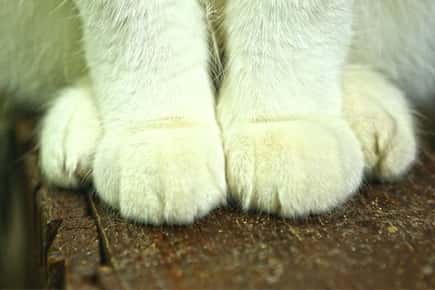
image of cat paws.

Cats are generally regarded as "self-grooming" pets, though they do need their humans for some grooming activities. One grooming technique cats are unable to perform on their own is trimming their front nails. While some indoor-only cats are de-clawed in the front (this means their claws have been removed by a veterinarian) rear claws are always left for cats. Cat claws will require trimming. Specialty cat nail trimmers are available in pet stores with the grooming tools.

Trimming cat nails is easier when the cat learns about nail cutting as a kitten. If you have your cat as a kitten, make a point to touch your kittens paws often, making them comfortable with the act of having their paws touched. Even adult cats can learn to let you touch their paws and clip their nails if you spend time just stroking their legs and paws before trying to clip them.

To trim the nails, you should hold the cat close to you. Some cats that are not used to having their nails clipped can be wrapped in a towel and held by one person while a second person clips the nails. If your cat is relaxed, you can let them sit on a table or floor while you clip their nails.

Take the paw you intend to clip in your hand. Push up on the bottom of the paw gently to spread the paw digits wide and expose the nail. Take the specially made cat clippers in your dominant hand and clip the nail. Take off only the white part of the nail, staying away from the pink part of the nail which is the "quick."

If you do cut the quick, it will bleed. It may also cause pain for your cat because not only is there a blood vessel in the quick, but a nerve ending as well. The bleeding should stop within a minute. If not, you should use styptic sticks to stop the bleeding. These are available in most pet stores. By trimming the nails often you will train the quick in the nail to recede. By training the quick to recede, you will have less of a chance of making your cat bleed.

The nails on the front paws may require trimming as much as twice as often as the rear claws. This is because rear claws are worn down when a cat reaches up to scratch themselves or cover their excrement in a litter box or dirt outside. In addition, cats can reach their back paws up to their mouth where they can chew on the nails and keep them short.

  • Pet Health
    • Chronic Conditions
    • Digestive and Oral Health
    • Diseases and Viruses
    • Pests and Parasites
    • Orthopedics
  • Today's Veterinarian
  • Choosing Your Pet
    • Finding Your Pet
    • Cats
    • Dogs
    • Exotics
      • Amphibians
      • Birds
      • Reptiles
        • Lizards
        • Turtles
    • Small Mammals
      • Ferrets
      • Rabbits
      • Domesticated Animals
        • Prairie Dogs
      • Pocket Pets
        • Chinchillas
        • Guinea Pigs
        • Hamsters
        • Hedgehogs
        • Rats
    • Livestock
      • Cows
      • Donkeys, Horses & Mules
      • Goats
      • Pigs
      • Poultry
      • Sheep
  • Living With Your Pet
    • Bringing Your Pet Home
    • Children and Pets
    • Providing Care
    • Travel
    • Saying Goodbye
  • Newsletter Library
    • Cats
    • Tips for Pet Owners
    • Behavior & Training
    • Fleas & Parasites
    • Keeping Pets Healthy
    • Recognizing Illness
    • Nutrition & Food
    • Pet Dangers
    • Seasonal Topics
    • Visiting the Vet
    • Equine
    • Newsletter Archive
      • Fun with Pets
      • Unbelievable Pets
  • Video Newsroom
    • Health Topics
    • Technology and Science
    • Other Interests
  • Newsletter Library
  • Client Survey
  • Pets4Kids

Sign up using the form below or call (731) 661-0711 to make an appointment.

Error!

    • Services

      We strive to be your best Jackson veterinary clinic.
    • Make An Appointment

      University Parkway Animal Hospital will do our best to accommodate your busy schedule!
    • Online Pharmacy

      Check out our pharmacy, hosted by your vet in Jackson.

    Office Hours

    Our Regular Schedule

    Monday:

    7:30 am-5:00 pm

    Tuesday:

    7:30 am-12:00 pm

    Wednesday:

    7:30 am-5:00 pm

    Thursday:

    7:30 am-5:00 pm

    Friday:

    7:30 am-5:00 pm

    Saturday:

    Closed

    Sunday:

    Closed

    Location

    Find us on the map

    Testimonials

    What University Parkway Vet Clients Say

    Took my kitten there today (they are not closed, as the Facebook page says!), and loved it! Very kind, friendly staff who really give their time and attention to your pet! Highly recommend!

    Kippi Wood Adams

    Newsletter Sign Up

    Sign up for more articles

    Error!

      • Copyright © 2026 MH Sub I, LLC dba iMatrix.
      • Admin Log In
      • Site Map