University Parkway Animal Hospital
(731) 661-0711
Open mobile navigation
  • Home
  • About Us
    • Our Facility
    • Our Staff
    • Hospital Fees
    • Virtual Office Tour
  • Comprehensive Vet Care
  • Services
    • Diarrhea & Vomiting
    • Ear Mites
    • Emergency Care
    • Flea and Tick Prevention
    • Heartworm Disease
      • Heartworm Prevention
      • Heartworm FAQs
    • Importance of Grooming
    • In-House IDEXX Laboratory
    • Lameness & Limping
    • Limb Amputation
    • Microchipping
      • Microchipping FAQs
    • Orthopedic Surgery
      • Dog Knee Surgery
    • Orthopedics
      • Orthopedics FAQs
    • Pet Anxiety
    • Pet Anesthesia
    • Parasite Prevention
      • Flea & Tick Problems
      • Flea & Ticks
    • Pet Boarding
    • Pet Ear Care
      • Pet Ear Infection
    • Pet Medical Examination
    • Pet Dental Care
      • Pet Teeth Cleaning
      • Pet Dental FAQs
      • Tooth Extractions
    • Pet Surgery
      • TPLO Surgery
    • Pet Allergies
      • Pet Allergies FAQs
    • Pet Dehydration and Heatstroke
    • Pet Eye Infections
    • Pet Dermatology
      • Pet Skin Conditions & Treatment
      • Canine Atopic Dermatitis
    • Pet Illness
    • Pet Grooming
    • Preventative Care
    • Pet Wellness Exams
      • Importance of Wellness Exams
    • Pet Urgent/Emergency Care
    • Puppy & Kitten Care
    • Spay and Neuter
      • Spay and Neuter FAQ
    • Soft Tissue Repairs
    • Senior Pet Care
      • Senior Pet Care FAQs
    • Toxic Ingestion
    • Vaccinations
      • Cat Vaccinations
      • Dog Vaccinations
      • Vaccinations FAQs
  • Admissions
  • Online Forms
  • Clinic Hours
  • Contact Us
  • What's New
  • Blog
  • Veterinary Topics
    • Pet Health
      • Chronic Conditions
      • Digestive and Oral Health
      • Diseases and Viruses
      • Pests and Parasites
      • Orthopedics
    • Today's Veterinarian
    • Choosing Your Pet
      • Finding Your Pet
      • Cats
      • Dogs
      • Exotics
        • Amphibians
        • Birds
        • Reptiles
          • Lizards
          • Turtles
      • Small Mammals
        • Ferrets
        • Rabbits
        • Domesticated Animals
          • Prairie Dogs
        • Pocket Pets
          • Chinchillas
          • Guinea Pigs
          • Hamsters
          • Hedgehogs
          • Rats
      • Livestock
        • Cows
        • Donkeys, Horses & Mules
        • Goats
        • Pigs
        • Poultry
        • Sheep
    • Living With Your Pet
      • Bringing Your Pet Home
      • Children and Pets
      • Providing Care
      • Travel
      • Saying Goodbye
    • Newsletter Library
      • Cats
      • Tips for Pet Owners
      • Behavior & Training
      • Fleas & Parasites
      • Keeping Pets Healthy
      • Recognizing Illness
      • Nutrition & Food
      • Pet Dangers
      • Seasonal Topics
      • Visiting the Vet
      • Equine
      • Newsletter Archive
        • Fun with Pets
        • Unbelievable Pets
    • Video Newsroom
      • Health Topics
      • Technology and Science
      • Other Interests
    • Newsletter Library
    • Client Survey
    • Pets4Kids
  • Home >
  • Articles >
  • Newsletter Library >
  • Nutrition & Food >
  • When Your Pet's Food Is Recalled

When Your Pet's Food Is Recalled

  • Created in Newsletter Library, Nutrition & Food
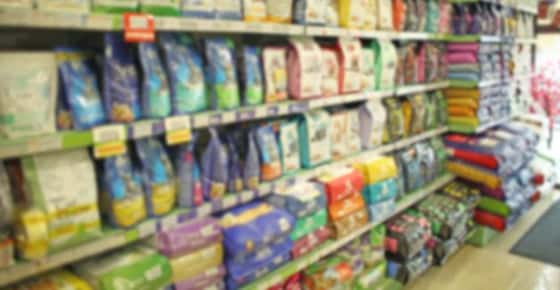
Image of pet food on a store shelf.

According to government regulatory agencies, there are three types of pet food recalls that can be issued. Recalls can be conducted by a company or brand, by request from the regulatory agencies, or by order from the government agency. When your pet's food has been recalled, you'll want to contact your veterinarian immediately. If it's been due to a contamination issue, you'll want to rule out any resulting health concerns. Occasionally pet foods are recalled because of an error in production so that certain nutrients are present in excess. You'll want to discover if your pet is suffering from any nutritional toxicities, or if there a health-related risks associated with the recall.

You might be thinking, "Wait, how will I know if my pet's food is recalled?" You can stay on top of recalls by signing up for emails at the American Veterinary Medical Association's website or by following nationally recognized veterinary education associations. Other sources can include pet education websites, pet food manufacturer websites, regulation organizations, and your pet's veterinarian.

How to Choose a New Food

Depending on your pet’s species, he or she has very specific nutritional requirements. Instead of substituting something around your home, be sure to call your veterinarian if you need to make a change. You may have something in your home that is temporarily appropriate, but you should give your pet only food designed for them unless otherwise directed by your veterinarian.

Your veterinarian is familiar with the popular pet food brands on the market. If yours is recalled, he or she will be able to make a suggestion for another excellent, nutritionally complete diet. Remember, it's normal for pet food needs to change as a pet grows and ages, so it could be time to check in with your veterinarian on this topic.

To avoid recalls altogether, some owners choose to prepare homemade foods for their pet. Pet owners should know this requires a great deal of time commitment and know-how. Before diving into making homemade meals for your pet, consult with your veterinarian to discuss what specific nutritional needs your pet requires and which foods to focus on or avoid. The recipe you follow to make your pet's food should be developed by a veterinary nutritionist, and the meat should be well cooked or this will be the source of Salmonella,Campylobacter, or E Coli for your pet.

Remember to do your homework. If you choose to change food, be sure to investigate the company's recall history before choosing a new brand.

Tip for Making the Transition to a New Food

If you decide to transition your pet to a new food, many people will do this gradually over four to five days by gradually introducing the new food. For example, the first day you may offer 25% of the new food and 75% of the old food. The third day would be 50 % of each, and then the next day the majority would be the new food, and so on until only the new food is offered. If you have any questions about changing your pet’s diet, always speak with your veterinarian.

Sources:

U.S. Food and Drug Administration. Animal & Veterinary Recalls and Withdrawals. January 25, 2014.

American Veterinary Medical Association. Pet Food & Product Recalls/Alerts. 2014

AVMA Recall Watch Twitter Account. @AVMARecallWatch.

  • Pet Health
    • Chronic Conditions
    • Digestive and Oral Health
    • Diseases and Viruses
    • Pests and Parasites
    • Orthopedics
  • Today's Veterinarian
  • Choosing Your Pet
    • Finding Your Pet
    • Cats
    • Dogs
    • Exotics
      • Amphibians
      • Birds
      • Reptiles
        • Lizards
        • Turtles
    • Small Mammals
      • Ferrets
      • Rabbits
      • Domesticated Animals
        • Prairie Dogs
      • Pocket Pets
        • Chinchillas
        • Guinea Pigs
        • Hamsters
        • Hedgehogs
        • Rats
    • Livestock
      • Cows
      • Donkeys, Horses & Mules
      • Goats
      • Pigs
      • Poultry
      • Sheep
  • Living With Your Pet
    • Bringing Your Pet Home
    • Children and Pets
    • Providing Care
    • Travel
    • Saying Goodbye
  • Newsletter Library
    • Cats
    • Tips for Pet Owners
    • Behavior & Training
    • Fleas & Parasites
    • Keeping Pets Healthy
    • Recognizing Illness
    • Nutrition & Food
    • Pet Dangers
    • Seasonal Topics
    • Visiting the Vet
    • Equine
    • Newsletter Archive
      • Fun with Pets
      • Unbelievable Pets
  • Video Newsroom
    • Health Topics
    • Technology and Science
    • Other Interests
  • Newsletter Library
  • Client Survey
  • Pets4Kids

Sign up using the form below or call (731) 661-0711 to make an appointment.

Error!

    • Services

      We strive to be your best Jackson veterinary clinic.
    • Make An Appointment

      University Parkway Animal Hospital will do our best to accommodate your busy schedule!
    • Online Pharmacy

      Check out our pharmacy, hosted by your vet in Jackson.

    Office Hours

    Our Regular Schedule

    Monday:

    7:30 am-5:00 pm

    Tuesday:

    7:30 am-12:00 pm

    Wednesday:

    7:30 am-5:00 pm

    Thursday:

    7:30 am-5:00 pm

    Friday:

    7:30 am-5:00 pm

    Saturday:

    Closed

    Sunday:

    Closed

    Location

    Find us on the map

    Testimonials

    What University Parkway Vet Clients Say

    Took my kitten there today (they are not closed, as the Facebook page says!), and loved it! Very kind, friendly staff who really give their time and attention to your pet! Highly recommend!

    Kippi Wood Adams

    Newsletter Sign Up

    Sign up for more articles

    Error!

      • Copyright © 2026 MH Sub I, LLC dba iMatrix.
      • Admin Log In
      • Site Map