University Parkway Animal Hospital
(731) 661-0711
Open mobile navigation
  • Home
  • About Us
    • Our Facility
    • Our Staff
    • Hospital Fees
    • Virtual Office Tour
  • Comprehensive Vet Care
  • Services
    • Diarrhea & Vomiting
    • Ear Mites
    • Emergency Care
    • Flea and Tick Prevention
    • Heartworm Disease
      • Heartworm Prevention
      • Heartworm FAQs
    • Importance of Grooming
    • In-House IDEXX Laboratory
    • Lameness & Limping
    • Limb Amputation
    • Microchipping
      • Microchipping FAQs
    • Orthopedic Surgery
      • Dog Knee Surgery
    • Orthopedics
      • Orthopedics FAQs
    • Pet Anxiety
    • Pet Anesthesia
    • Parasite Prevention
      • Flea & Tick Problems
      • Flea & Ticks
    • Pet Boarding
    • Pet Ear Care
      • Pet Ear Infection
    • Pet Medical Examination
    • Pet Dental Care
      • Pet Teeth Cleaning
      • Pet Dental FAQs
      • Tooth Extractions
    • Pet Surgery
      • TPLO Surgery
    • Pet Allergies
      • Pet Allergies FAQs
    • Pet Dehydration and Heatstroke
    • Pet Eye Infections
    • Pet Dermatology
      • Pet Skin Conditions & Treatment
      • Canine Atopic Dermatitis
    • Pet Illness
    • Pet Grooming
    • Preventative Care
    • Pet Wellness Exams
      • Importance of Wellness Exams
    • Pet Urgent/Emergency Care
    • Puppy & Kitten Care
    • Spay and Neuter
      • Spay and Neuter FAQ
    • Soft Tissue Repairs
    • Senior Pet Care
      • Senior Pet Care FAQs
    • Toxic Ingestion
    • Vaccinations
      • Cat Vaccinations
      • Dog Vaccinations
      • Vaccinations FAQs
  • Admissions
  • Online Forms
  • Clinic Hours
  • Contact Us
  • What's New
  • Blog
  • Veterinary Topics
    • Pet Health
      • Chronic Conditions
      • Digestive and Oral Health
      • Diseases and Viruses
      • Pests and Parasites
      • Orthopedics
    • Today's Veterinarian
    • Choosing Your Pet
      • Finding Your Pet
      • Cats
      • Dogs
      • Exotics
        • Amphibians
        • Birds
        • Reptiles
          • Lizards
          • Turtles
      • Small Mammals
        • Ferrets
        • Rabbits
        • Domesticated Animals
          • Prairie Dogs
        • Pocket Pets
          • Chinchillas
          • Guinea Pigs
          • Hamsters
          • Hedgehogs
          • Rats
      • Livestock
        • Cows
        • Donkeys, Horses & Mules
        • Goats
        • Pigs
        • Poultry
        • Sheep
    • Living With Your Pet
      • Bringing Your Pet Home
      • Children and Pets
      • Providing Care
      • Travel
      • Saying Goodbye
    • Newsletter Library
      • Cats
      • Tips for Pet Owners
      • Behavior & Training
      • Fleas & Parasites
      • Keeping Pets Healthy
      • Recognizing Illness
      • Nutrition & Food
      • Pet Dangers
      • Seasonal Topics
      • Visiting the Vet
      • Equine
      • Newsletter Archive
        • Fun with Pets
        • Unbelievable Pets
    • Video Newsroom
      • Health Topics
      • Technology and Science
      • Other Interests
    • Newsletter Library
    • Client Survey
    • Pets4Kids
  • Home >
  • Articles >
  • Newsletter Library >
  • Tips for Pet Owners >
  • All About Shedding: Is My Pet Shedding Too Much?

All About Shedding: Is My Pet Shedding Too Much?

  • Created in Newsletter Library, Tips for Pet Owners
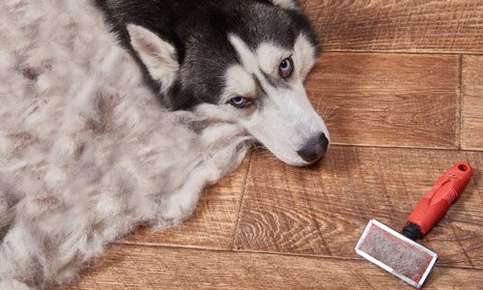
dog shedding

Does your pet leave piles of hair behind everywhere he or she goes? Although all dogs and cats shed, excessive shedding may be a sign of a health problem or a grooming issue. Fortunately, shedding can be reduced in many cases with medical treatment or a change to your pet's grooming routine.

Why Do Pets Shed?

Your pet's hair, just like your own, goes through a continuous growth cycle. When older hairs fall out, they're replaced by new ones. Seasonal changes can play a role in the amount of hair your pet sheds. In anticipation of the cold weather months, your dog or cat's coat may become thicker. As spring approaches, it's not unusual to shed a little more hair than usual as your pet's body prepares for warmer weather.

Because shedding patterns can vary from pet to pet, it's not necessarily a cause for concern if one of your pets sheds more than another. Changes are only worrisome if they represent a significant change in your cat or dog's usual shedding pattern.

What Causes Excessive Shedding?

Shedding may increase due to any of these factors:

  • Stress. A move to a new home, the introduction or loss of a family member or pet, or even a seemingly minor change in your pet's routine can stress your dog or cat and lead to hair loss. Do you leave the veterinarian's office covered in fur? Sudden shedding isn't uncommon in pets that experience stress or anxiety during veterinary examinations.
  • Allergies. Your furry friend can suffer from allergies, too. Whether your pet is allergic to fleas, food or environmental allergens like pollen, dust mites or mold, you may notice that he or she can't stop scratching or biting his or her skin. You may also notice red pimple-like bumps on the skin or ear discharge, depending on the type of allergy.
  • Parasites. An infestation of mites, fleas or ticks is very uncomfortable. In an attempt to get rid of the parasites and relieve itching, your pet may constantly bite or licks the skin, causing hair loss and sores.
  • Infection. Bacterial, fungal, viral and yeast infections can also cause hair loss, itching and discomfort.
  • Poor Diet. Your pet's shedding may be related to diet. Pet's thrive on a diet high in proteins and nutrients. Unfortunately, not all pet foods are good for your pet. Foods that contain lots of fillers, such as cereal by-products, corn and rice bran, corn starch, citrus pulp and oat hulls, are more likely to cause shedding. The healthiest pet foods list poultry, beef or chicken or other proteins in the first few ingredients on the label. Before you make a change to your pet's diet, talk to the veterinarian. Diets that are popular with people, such as vegetarian or gluten-free diets, may not be the best choices for your pet.
  • Grooming Issues. Did you use your shampoo on your dog after you ran out of pet shampoo? Your shampoo is harsher than products intended for pets and may cause hair loss.
  • Diseases and Conditions. Shedding may be more likely to occur if your pet has Cushing's disease, inflammatory bowel disease, thyroid disease or hormonal imbalances.
  • Your Pet's Breed. Some breeds tend to shed more than others, including Maine Coon, Russian Blue, American Shorthair and Persian cats, and German Shepherd, Labrador Retriever, Akita, Chow Chow and Siberian Husky dogs.

What Can Be Done About Excessive Shedding?

A visit to the veterinarian is a must if you've noticed that your pet is shedding more than usual. Depending on your dog or cat's diagnosis, one or more of these treatments may be recommended:

  • Food Changes
  • Allergy Medication or Shots
  • Flea and Tick Control Medications
  • Topical or Oral Medications to Treat Bacterial, Fungal or Yeast Infections
  • Treatment of Underlying Diseases

Your pet's veterinarian may also offer suggestions that will prevent shedding in the future, such as reducing allergen exposure with regular baths and a high efficiency particulate air (HEPA) filter or stress reduction tips.

Would you like to put an end to your pet's excessive shedding? Schedule an appointment with our office. We'll perform a thorough examination and offer treatments and solutions that will improve your pet's hair loss problem.

Sources:

PetMD: Is Your Pet’s Excessive Shedding a Sign of Illness?

https://www.petmd.com/dog/conditions/skin/your-pets-excessive-shedding-sign-illness

American Animal Hospital Association: It’s Winter? Why Is My Pet Shedding So Much?

https://www.aaha.org/pet_owner/lifestyle/its-winter-why-is-my-pet-shedding-so-much.aspx

Pet Health Network: Dog Hair Could Shed Light on Cushings Disease in Dogs

http://www.pethealthnetwork.com/dog-health/dog-diseases-conditions-a-z/dog-hair-could-shed-light-cushings-disease-dogs

  • Pet Health
    • Chronic Conditions
    • Digestive and Oral Health
    • Diseases and Viruses
    • Pests and Parasites
    • Orthopedics
  • Today's Veterinarian
  • Choosing Your Pet
    • Finding Your Pet
    • Cats
    • Dogs
    • Exotics
      • Amphibians
      • Birds
      • Reptiles
        • Lizards
        • Turtles
    • Small Mammals
      • Ferrets
      • Rabbits
      • Domesticated Animals
        • Prairie Dogs
      • Pocket Pets
        • Chinchillas
        • Guinea Pigs
        • Hamsters
        • Hedgehogs
        • Rats
    • Livestock
      • Cows
      • Donkeys, Horses & Mules
      • Goats
      • Pigs
      • Poultry
      • Sheep
  • Living With Your Pet
    • Bringing Your Pet Home
    • Children and Pets
    • Providing Care
    • Travel
    • Saying Goodbye
  • Newsletter Library
    • Cats
    • Tips for Pet Owners
    • Behavior & Training
    • Fleas & Parasites
    • Keeping Pets Healthy
    • Recognizing Illness
    • Nutrition & Food
    • Pet Dangers
    • Seasonal Topics
    • Visiting the Vet
    • Equine
    • Newsletter Archive
      • Fun with Pets
      • Unbelievable Pets
  • Video Newsroom
    • Health Topics
    • Technology and Science
    • Other Interests
  • Newsletter Library
  • Client Survey
  • Pets4Kids

Sign up using the form below or call (731) 661-0711 to make an appointment.

Error!

    • Services

      We strive to be your best Jackson veterinary clinic.
    • Make An Appointment

      University Parkway Animal Hospital will do our best to accommodate your busy schedule!
    • Online Pharmacy

      Check out our pharmacy, hosted by your vet in Jackson.

    Office Hours

    Our Regular Schedule

    Monday:

    7:30 am-5:00 pm

    Tuesday:

    7:30 am-12:00 pm

    Wednesday:

    7:30 am-5:00 pm

    Thursday:

    7:30 am-5:00 pm

    Friday:

    7:30 am-5:00 pm

    Saturday:

    Closed

    Sunday:

    Closed

    Location

    Find us on the map

    Testimonials

    What University Parkway Vet Clients Say

    Took my kitten there today (they are not closed, as the Facebook page says!), and loved it! Very kind, friendly staff who really give their time and attention to your pet! Highly recommend!

    Kippi Wood Adams

    Newsletter Sign Up

    Sign up for more articles

    Error!

      • Copyright © 2026 MH Sub I, LLC dba iMatrix.
      • Admin Log In
      • Site Map