University Parkway Animal Hospital
(731) 661-0711
Open mobile navigation
  • Home
  • About Us
    • Our Facility
    • Our Staff
    • Hospital Fees
    • Virtual Office Tour
  • Comprehensive Vet Care
  • Services
    • Diarrhea & Vomiting
    • Ear Mites
    • Emergency Care
    • Flea and Tick Prevention
    • Heartworm Disease
      • Heartworm Prevention
      • Heartworm FAQs
    • Importance of Grooming
    • In-House IDEXX Laboratory
    • Lameness & Limping
    • Limb Amputation
    • Microchipping
      • Microchipping FAQs
    • Orthopedic Surgery
      • Dog Knee Surgery
    • Orthopedics
      • Orthopedics FAQs
    • Pet Anxiety
    • Pet Anesthesia
    • Parasite Prevention
      • Flea & Tick Problems
      • Flea & Ticks
    • Pet Boarding
    • Pet Ear Care
      • Pet Ear Infection
    • Pet Medical Examination
    • Pet Dental Care
      • Pet Teeth Cleaning
      • Pet Dental FAQs
      • Tooth Extractions
    • Pet Surgery
      • TPLO Surgery
    • Pet Allergies
      • Pet Allergies FAQs
    • Pet Dehydration and Heatstroke
    • Pet Eye Infections
    • Pet Dermatology
      • Pet Skin Conditions & Treatment
      • Canine Atopic Dermatitis
    • Pet Illness
    • Pet Grooming
    • Preventative Care
    • Pet Wellness Exams
      • Importance of Wellness Exams
    • Pet Urgent/Emergency Care
    • Puppy & Kitten Care
    • Spay and Neuter
      • Spay and Neuter FAQ
    • Soft Tissue Repairs
    • Senior Pet Care
      • Senior Pet Care FAQs
    • Toxic Ingestion
    • Vaccinations
      • Cat Vaccinations
      • Dog Vaccinations
      • Vaccinations FAQs
  • Admissions
  • Online Forms
  • Clinic Hours
  • Contact Us
  • What's New
  • Blog
  • Veterinary Topics
    • Pet Health
      • Chronic Conditions
      • Digestive and Oral Health
      • Diseases and Viruses
      • Pests and Parasites
      • Orthopedics
    • Today's Veterinarian
    • Choosing Your Pet
      • Finding Your Pet
      • Cats
      • Dogs
      • Exotics
        • Amphibians
        • Birds
        • Reptiles
          • Lizards
          • Turtles
      • Small Mammals
        • Ferrets
        • Rabbits
        • Domesticated Animals
          • Prairie Dogs
        • Pocket Pets
          • Chinchillas
          • Guinea Pigs
          • Hamsters
          • Hedgehogs
          • Rats
      • Livestock
        • Cows
        • Donkeys, Horses & Mules
        • Goats
        • Pigs
        • Poultry
        • Sheep
    • Living With Your Pet
      • Bringing Your Pet Home
      • Children and Pets
      • Providing Care
      • Travel
      • Saying Goodbye
    • Newsletter Library
      • Cats
      • Tips for Pet Owners
      • Behavior & Training
      • Fleas & Parasites
      • Keeping Pets Healthy
      • Recognizing Illness
      • Nutrition & Food
      • Pet Dangers
      • Seasonal Topics
      • Visiting the Vet
      • Equine
      • Newsletter Archive
        • Fun with Pets
        • Unbelievable Pets
    • Video Newsroom
      • Health Topics
      • Technology and Science
      • Other Interests
    • Newsletter Library
    • Client Survey
    • Pets4Kids
  • Home >
  • Articles >
  • Newsletter Library >
  • Can I Leave My Pet in the Car?

Can I Leave My Pet in the Car?

  • Created in Newsletter Library
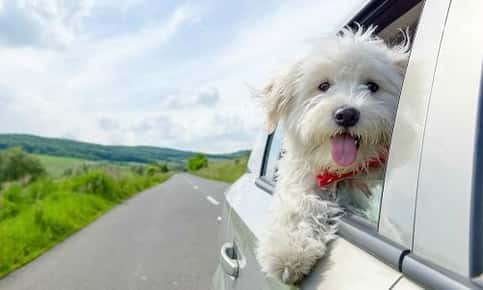
Dog riding in car down open road

Why You Never Want to Leave Your Pet in the Car

News stories about pets dying in hot cars begin appearing in the news media about this time every year. Unfortunately, some pet owners ignore these cautionary tales, assuming that something so tragic could never happen to their pets. No matter how quickly you plan to return to your vehicle, it's never a good idea to leave your pet inside.

The Interior of Your Car Heats Up Quickly

In just 10 minutes, the interior of a parked car can increase by as much as 20 degrees, according to the American Veterinary Medical Association. After an hour, the temperature of your car or truck may be 40 degrees higher than the air temperature.

It's easy to underestimate how long errands will take. You never know when you'll encounter long lines in the grocery store, discover that replacing your ATM card will take much more time than you anticipated, or other inconveniences keep you from returning to your pet in a timely manner.

By the time you return to your car, your pet may be suffering from severe heat exhaustion. Signs of trouble include glazed eyes, lethargy, drooling, fever, panting, lack of coordination, vomiting, diarrhea, blue or red tongue or gums, or convulsion.

If you notice any of these signs, move your pet to an air-conditioned or shady location. Cool (not cold) moist clothes can decrease your pet's temperature, but you'll still need to make an emergency visit to the veterinarian. Without prompt treatment, your pet can suffer organ or heart damage or even die.

But What If I Crack the Window or Turn On the Air-Conditioning?

Opening the window an inch or two isn't very effective in lowering the temperature inside your vehicle, particularly if it's hot and humid outside. The interior of your car or truck can get just as hot inside whether the windows are closed or open slightly.

Keeping the engine on and running the air conditioner may seem like a good compromise, but it's not recommended. Although an air conditioner lowers both temperature and humidity, you never know when the system could malfunction. Air conditioning usually doesn't work so well when the car is idling.

Leaving the engine running also poses other risks. If your pet is loose inside the car, it could accidentally bump the gear shifter and put your car in drive or reverse. It's much easier to steal a car or a pet when the engine is running and the doors are unlocked.

Opening windows four or five inches may sound like a better solution. Unfortunately, your car can still become uncomfortably hot even if you lower the windows completely or partially. A determined dog or cat may also find a way to wiggle through the opening and escape into the street or parking lot.

Can I Leave My Pet in the Car During Other Seasons?

Outside temperatures may be lower in the spring and fall, but your car's interior temperature can still rise to dangerous levels. It's best to leave your pet at home if it's not allowed to accompany you to stores or businesses.

Winter weather poses special risks for pets. The temperature in your vehicle can quickly drop, increasing your pet's risk of developing hypothermia. Leaving your car running may not keep your pet warm enough, as heaters don't produce much heat when the car idles.

Leaving Your Pet in the Car May Be Illegal

Twenty-eight states have laws that prohibit drivers from leaving pets in hot cars, notes The Dogington Post. Arizona, California, Colorado, Florida, Indiana, Massachusetts, New York, Ohio, Tennessee, Vermont and Wisconsin allow concerned bystanders to break your vehicle windows or use other means to rescue your pet. Although your windows probably aren't your primary concern when you leave your dog, cat or small animal in your car, replacement costs and fines can be expensive.

Do you have a question about traveling with your pet or have a concern about your companion's health? We'll be glad to answer your questions or schedule an appointment to examine your pet.

Sources:

AVMA: Pets in Vehicles

https://www.avma.org/public/PetCare/Pages/pets-in-vehicles.aspx

The Dogington Post: Protecting Dogs in Hot Cars: What is YOUR State’s Law?, 5/7/18

https://www.dogingtonpost.com/dogs-in-hot-cars-what-is-your-states-law/

Humane Society of the United States: What to Do if You See a Pet in a Parked Car

https://www.humanesociety.org/resources/what-do-if-you-see-pet-parked-car

  • Pet Health
    • Chronic Conditions
    • Digestive and Oral Health
    • Diseases and Viruses
    • Pests and Parasites
    • Orthopedics
  • Today's Veterinarian
  • Choosing Your Pet
    • Finding Your Pet
    • Cats
    • Dogs
    • Exotics
      • Amphibians
      • Birds
      • Reptiles
        • Lizards
        • Turtles
    • Small Mammals
      • Ferrets
      • Rabbits
      • Domesticated Animals
        • Prairie Dogs
      • Pocket Pets
        • Chinchillas
        • Guinea Pigs
        • Hamsters
        • Hedgehogs
        • Rats
    • Livestock
      • Cows
      • Donkeys, Horses & Mules
      • Goats
      • Pigs
      • Poultry
      • Sheep
  • Living With Your Pet
    • Bringing Your Pet Home
    • Children and Pets
    • Providing Care
    • Travel
    • Saying Goodbye
  • Newsletter Library
    • Cats
    • Tips for Pet Owners
    • Behavior & Training
    • Fleas & Parasites
    • Keeping Pets Healthy
    • Recognizing Illness
    • Nutrition & Food
    • Pet Dangers
    • Seasonal Topics
    • Visiting the Vet
    • Equine
    • Newsletter Archive
      • Fun with Pets
      • Unbelievable Pets
  • Video Newsroom
    • Health Topics
    • Technology and Science
    • Other Interests
  • Newsletter Library
  • Client Survey
  • Pets4Kids

Sign up using the form below or call (731) 661-0711 to make an appointment.

Error!

    • Services

      We strive to be your best Jackson veterinary clinic.
    • Make An Appointment

      University Parkway Animal Hospital will do our best to accommodate your busy schedule!
    • Online Pharmacy

      Check out our pharmacy, hosted by your vet in Jackson.

    Office Hours

    Our Regular Schedule

    Monday:

    7:30 am-5:00 pm

    Tuesday:

    7:30 am-12:00 pm

    Wednesday:

    7:30 am-5:00 pm

    Thursday:

    7:30 am-5:00 pm

    Friday:

    7:30 am-5:00 pm

    Saturday:

    Closed

    Sunday:

    Closed

    Location

    Find us on the map

    Testimonials

    What University Parkway Vet Clients Say

    Took my kitten there today (they are not closed, as the Facebook page says!), and loved it! Very kind, friendly staff who really give their time and attention to your pet! Highly recommend!

    Kippi Wood Adams

    Newsletter Sign Up

    Sign up for more articles

    Error!

      • Copyright © 2026 MH Sub I, LLC dba iMatrix.
      • Admin Log In
      • Site Map