University Parkway Animal Hospital
(731) 661-0711
Open mobile navigation
  • Home
  • About Us
    • Our Facility
    • Our Staff
    • Hospital Fees
    • Virtual Office Tour
  • Comprehensive Vet Care
  • Services
    • Diarrhea & Vomiting
    • Ear Mites
    • Emergency Care
    • Flea and Tick Prevention
    • Heartworm Disease
      • Heartworm Prevention
      • Heartworm FAQs
    • Importance of Grooming
    • In-House IDEXX Laboratory
    • Lameness & Limping
    • Limb Amputation
    • Microchipping
      • Microchipping FAQs
    • Orthopedic Surgery
      • Dog Knee Surgery
    • Orthopedics
      • Orthopedics FAQs
    • Pet Anxiety
    • Pet Anesthesia
    • Parasite Prevention
      • Flea & Tick Problems
      • Flea & Ticks
    • Pet Boarding
    • Pet Ear Care
      • Pet Ear Infection
    • Pet Medical Examination
    • Pet Dental Care
      • Pet Teeth Cleaning
      • Pet Dental FAQs
      • Tooth Extractions
    • Pet Surgery
      • TPLO Surgery
    • Pet Allergies
      • Pet Allergies FAQs
    • Pet Dehydration and Heatstroke
    • Pet Eye Infections
    • Pet Dermatology
      • Pet Skin Conditions & Treatment
      • Canine Atopic Dermatitis
    • Pet Illness
    • Pet Grooming
    • Preventative Care
    • Pet Wellness Exams
      • Importance of Wellness Exams
    • Pet Urgent/Emergency Care
    • Puppy & Kitten Care
    • Spay and Neuter
      • Spay and Neuter FAQ
    • Soft Tissue Repairs
    • Senior Pet Care
      • Senior Pet Care FAQs
    • Toxic Ingestion
    • Vaccinations
      • Cat Vaccinations
      • Dog Vaccinations
      • Vaccinations FAQs
  • Admissions
  • Online Forms
  • Clinic Hours
  • Contact Us
  • What's New
  • Blog
  • Veterinary Topics
    • Pet Health
      • Chronic Conditions
      • Digestive and Oral Health
      • Diseases and Viruses
      • Pests and Parasites
      • Orthopedics
    • Today's Veterinarian
    • Choosing Your Pet
      • Finding Your Pet
      • Cats
      • Dogs
      • Exotics
        • Amphibians
        • Birds
        • Reptiles
          • Lizards
          • Turtles
      • Small Mammals
        • Ferrets
        • Rabbits
        • Domesticated Animals
          • Prairie Dogs
        • Pocket Pets
          • Chinchillas
          • Guinea Pigs
          • Hamsters
          • Hedgehogs
          • Rats
      • Livestock
        • Cows
        • Donkeys, Horses & Mules
        • Goats
        • Pigs
        • Poultry
        • Sheep
    • Living With Your Pet
      • Bringing Your Pet Home
      • Children and Pets
      • Providing Care
      • Travel
      • Saying Goodbye
    • Newsletter Library
      • Cats
      • Tips for Pet Owners
      • Behavior & Training
      • Fleas & Parasites
      • Keeping Pets Healthy
      • Recognizing Illness
      • Nutrition & Food
      • Pet Dangers
      • Seasonal Topics
      • Visiting the Vet
      • Equine
      • Newsletter Archive
        • Fun with Pets
        • Unbelievable Pets
    • Video Newsroom
      • Health Topics
      • Technology and Science
      • Other Interests
    • Newsletter Library
    • Client Survey
    • Pets4Kids
  • Home >
  • Articles >
  • Newsletter Library >
  • Proper Ear Care for Pets

Proper Ear Care for Pets

  • Created in Newsletter Library
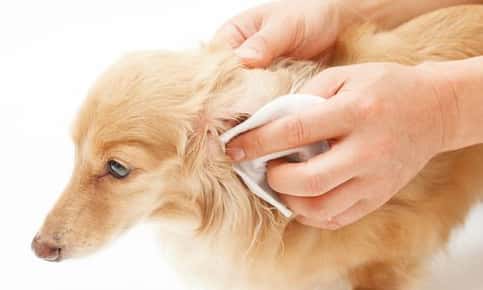
Veterinarian cleaning dog's ear

How to Properly Care for Your Pet's Ears

How long has it been since you took a peek at your pet's ears? Examining your furry friend's ears, whether they're floppy or upright, can help you spot signs of infections, mites, and other health problems.

How Often Should I Check My Pet's Ears?

Weekly ear checks are a good idea for pets. When you conduct your exam, look for these potential trouble signs:

  • Discharge: Discharge can be a sign of an infection in your pet's outer, inner, or middle ear. If the discharge is brown or black and looks a little like coffee grounds, your pet may have ear mites. The tiny critters feast on wax and oil in your pet's ears and can make your dog or cat very uncomfortable. If ear mite infestations aren't treated, damage to the eardrum can occur.
  • Scratching. Occasional ear scratching isn't a cause for concern unless your pet can't stop scratching. Constant scratching and pawing at the ears can cause bleeding and infections in some cases.
  • Redness. Red, swollen or hot ears are another sign that your cat or dog's ears may be infected.
  • Odor. Infections can cause a foul odor to come from your pet's ears.
  • Pain. Does your pet yelp or withdraw when you touch his or her ears? An infection or injury may be to blame.
  • Foreign Objects. Do you see anything in or on your pet's ears that doesn't belong, such as grass, pebbles, burrs or ticks?
  • Head Shaking. Your pet may try everything to get rid of that uncomfortable ear sensation, including shaking his or her head.

If you notice any of these symptoms, it's a good idea to schedule a visit with your pet's veterinarian. He or she can offer treatments that address the source of the problem and make your pet more comfortable.

Should I Clean My Pet's Ears?

Cleaning isn't always necessary, particularly if you have a cat. In fact, most cats clean their ears during their daily grooming sessions. If your cat neglects its ears or has difficulty reaching them, you may need to lend a hand.

Since dogs can't clean their own ears, they may benefit from ear cleanings occasionally. Cleanings are usually necessary if debris tends to collect in your dog's ears. If that's not a problem for your pet, you may not need to clean his or her ears.

Irish setters, basset hounds and other dogs with drooping ears benefit from regular ear cleanings. Due to the structure of their ears, they're more likely to develop infections and other issues than dogs with upright ears.

You can clean your pet's ears by following these steps:

  • Gently grasp the top of your pet's ears to expose the ear canal. Place several drops of ear cleaner in your dog or cat's ear. (Check with the vet if you're not sure which type of pet cleaner is best for your furry friend.)
  • Use a cotton ball or a clean piece of gauze to remove dirt and debris from your pet's ear. Only clean the part of the ear that you can see. Don't use a cotton swab, as the swab may slip into the ear canal and damage your pet's ear, or force debris and wax deep inside the ear.
  • Many pets will shake their ears during the procedure. Although you may get a little cleaner on you, shaking will help clear extra solution from the ears.
  • Repeat these steps on the other ear. Stop at any point if your pet appears to be in pain or is uncooperative.

Is it impossible for you to clean your dog or cat's ears? Our staff are pros at ear cleaning and are glad to help you with this essential grooming task. Give us a call to schedule an appointment for your pet.

Sources:

WebMD: Discharge from a Dog’s Ear: Causes and Treatments

https://pets.webmd.com/dogs/dog-discharge-ear#1

Animal Wellness: Taking Care of Your Pet’s Ears, 1/4/18

https://animalwellnessmagazine.com/taking-care-pets-ears/

Dogster: Wondering How to Clean Your Dog’s Ears? A How-To (and How Often!) Guide, 12/6/18

https://www.dogster.com/dog-health-care/wondering-how-to-clean-dog-ears-a-how-to-and-how-often-guide

Purina: Cat Ear Care and Cleaning

https://www.purina.co.uk/cats/health-and-nutrition/symptoms-to-watch-out-for/cleaning-a-cats-ears

  • Pet Health
    • Chronic Conditions
    • Digestive and Oral Health
    • Diseases and Viruses
    • Pests and Parasites
    • Orthopedics
  • Today's Veterinarian
  • Choosing Your Pet
    • Finding Your Pet
    • Cats
    • Dogs
    • Exotics
      • Amphibians
      • Birds
      • Reptiles
        • Lizards
        • Turtles
    • Small Mammals
      • Ferrets
      • Rabbits
      • Domesticated Animals
        • Prairie Dogs
      • Pocket Pets
        • Chinchillas
        • Guinea Pigs
        • Hamsters
        • Hedgehogs
        • Rats
    • Livestock
      • Cows
      • Donkeys, Horses & Mules
      • Goats
      • Pigs
      • Poultry
      • Sheep
  • Living With Your Pet
    • Bringing Your Pet Home
    • Children and Pets
    • Providing Care
    • Travel
    • Saying Goodbye
  • Newsletter Library
    • Cats
    • Tips for Pet Owners
    • Behavior & Training
    • Fleas & Parasites
    • Keeping Pets Healthy
    • Recognizing Illness
    • Nutrition & Food
    • Pet Dangers
    • Seasonal Topics
    • Visiting the Vet
    • Equine
    • Newsletter Archive
      • Fun with Pets
      • Unbelievable Pets
  • Video Newsroom
    • Health Topics
    • Technology and Science
    • Other Interests
  • Newsletter Library
  • Client Survey
  • Pets4Kids

Sign up using the form below or call (731) 661-0711 to make an appointment.

Error!

    • Services

      We strive to be your best Jackson veterinary clinic.
    • Make An Appointment

      University Parkway Animal Hospital will do our best to accommodate your busy schedule!
    • Online Pharmacy

      Check out our pharmacy, hosted by your vet in Jackson.

    Office Hours

    Our Regular Schedule

    Monday:

    7:30 am-5:00 pm

    Tuesday:

    7:30 am-12:00 pm

    Wednesday:

    7:30 am-5:00 pm

    Thursday:

    7:30 am-5:00 pm

    Friday:

    7:30 am-5:00 pm

    Saturday:

    Closed

    Sunday:

    Closed

    Location

    Find us on the map

    Testimonials

    What University Parkway Vet Clients Say

    Took my kitten there today (they are not closed, as the Facebook page says!), and loved it! Very kind, friendly staff who really give their time and attention to your pet! Highly recommend!

    Kippi Wood Adams

    Newsletter Sign Up

    Sign up for more articles

    Error!

      • Copyright © 2026 MH Sub I, LLC dba iMatrix.
      • Admin Log In
      • Site Map