University Parkway Animal Hospital
(731) 661-0711
Open mobile navigation
  • Home
  • About Us
    • Our Facility
    • Our Staff
    • Hospital Fees
    • Virtual Office Tour
  • Comprehensive Vet Care
  • Services
    • Diarrhea & Vomiting
    • Ear Mites
    • Emergency Care
    • Flea and Tick Prevention
    • Heartworm Disease
      • Heartworm Prevention
      • Heartworm FAQs
    • Importance of Grooming
    • In-House IDEXX Laboratory
    • Lameness & Limping
    • Limb Amputation
    • Microchipping
      • Microchipping FAQs
    • Orthopedic Surgery
      • Dog Knee Surgery
    • Orthopedics
      • Orthopedics FAQs
    • Pet Anxiety
    • Pet Anesthesia
    • Parasite Prevention
      • Flea & Tick Problems
      • Flea & Ticks
    • Pet Boarding
    • Pet Ear Care
      • Pet Ear Infection
    • Pet Medical Examination
    • Pet Dental Care
      • Pet Teeth Cleaning
      • Pet Dental FAQs
      • Tooth Extractions
    • Pet Surgery
      • TPLO Surgery
    • Pet Allergies
      • Pet Allergies FAQs
    • Pet Dehydration and Heatstroke
    • Pet Eye Infections
    • Pet Dermatology
      • Pet Skin Conditions & Treatment
      • Canine Atopic Dermatitis
    • Pet Illness
    • Pet Grooming
    • Preventative Care
    • Pet Wellness Exams
      • Importance of Wellness Exams
    • Pet Urgent/Emergency Care
    • Puppy & Kitten Care
    • Spay and Neuter
      • Spay and Neuter FAQ
    • Soft Tissue Repairs
    • Senior Pet Care
      • Senior Pet Care FAQs
    • Toxic Ingestion
    • Vaccinations
      • Cat Vaccinations
      • Dog Vaccinations
      • Vaccinations FAQs
  • Admissions
  • Online Forms
  • Clinic Hours
  • Contact Us
  • What's New
  • Blog
  • Veterinary Topics
    • Pet Health
      • Chronic Conditions
      • Digestive and Oral Health
      • Diseases and Viruses
      • Pests and Parasites
      • Orthopedics
    • Today's Veterinarian
    • Choosing Your Pet
      • Finding Your Pet
      • Cats
      • Dogs
      • Exotics
        • Amphibians
        • Birds
        • Reptiles
          • Lizards
          • Turtles
      • Small Mammals
        • Ferrets
        • Rabbits
        • Domesticated Animals
          • Prairie Dogs
        • Pocket Pets
          • Chinchillas
          • Guinea Pigs
          • Hamsters
          • Hedgehogs
          • Rats
      • Livestock
        • Cows
        • Donkeys, Horses & Mules
        • Goats
        • Pigs
        • Poultry
        • Sheep
    • Living With Your Pet
      • Bringing Your Pet Home
      • Children and Pets
      • Providing Care
      • Travel
      • Saying Goodbye
    • Newsletter Library
      • Cats
      • Tips for Pet Owners
      • Behavior & Training
      • Fleas & Parasites
      • Keeping Pets Healthy
      • Recognizing Illness
      • Nutrition & Food
      • Pet Dangers
      • Seasonal Topics
      • Visiting the Vet
      • Equine
      • Newsletter Archive
        • Fun with Pets
        • Unbelievable Pets
    • Video Newsroom
      • Health Topics
      • Technology and Science
      • Other Interests
    • Newsletter Library
    • Client Survey
    • Pets4Kids
  • Home >
  • Articles >
  • Newsletter Library >
  • Best Pet Costumes

Best Pet Costumes

  • Created in Newsletter Library
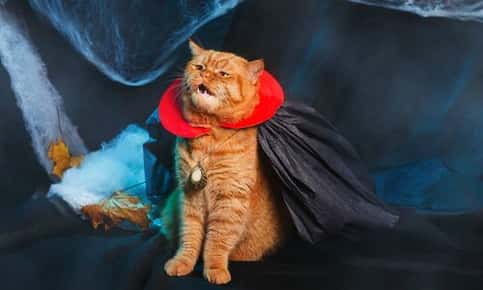
Cat dressed up as Dracula for Halloween

Finding the Best Halloween Costume for Your Pet

Halloween isn't just for people anymore. Pets are joining the fun as well with costumes made just for them. Although pet costumes are certainly cute, dressing up might not be the right choice for every pet. Before you go costume shopping, you'll want to consider these factors.

Your Pet's Personality

Some pets are perfectly happy to spend hours dressed as the Pope or Minnie Mouse. Others become agitated and upset if you place a hat on their heads for a few minutes. Wearing a costume shouldn't be an unpleasant experience. If your pet doesn't seem to like being in costume, don't insist that he or she participate.

Halloween night is the worst possible time to discover that your cat or dog doesn't want to be a cute spider or fierce tiger. Try the costume on your pet a few days or a week before Halloween and gauge his or her reaction. In some cases, you may be able to convince your canine or feline friend to dress up by gradually increasing the amount of time your pet wears the costume.

Safety and Comfort

The best costumes are the safest ones. When evaluating costumes, think about:

  • Flammability. Some Halloween costumes can be very flammable. In fact, the costume may go up in flames if your pet even brushes against a candle-lit pumpkin. Most manufacturers of pet costumes don't address the issue of flammability in their product descriptions. Luckily, the costume label can provide useful information. Costumes made of synthetic fibers are more likely to be flammable than those made of natural fibers. If you buy one of these costumes, keep your pet away from candles and open flames.
  • Potential Choking Hazards. Does the costume contain trim or decorations that can be easily removed with a little chewing? If it does, you may want to choose another costume or remove decorations that could pose a choking hazard to your pet.
  • Comfort and Mobility. Look for costumes made of soft, comfortable materials that allow your pet to move around easily. Avoid masks or hats that interfere with your pet's vision or cover their mouths and noses. The most comfortable costumes are made of lightweight, breathable fabrics.
  • Flexibility. Can you still use part of the costume if your pet doesn't like wearing the entire outfit? Your pet might squirm out of the unicorn costume but may happily wear the horn headband.
  • Leash or Harness Compatibility. Searching for your lost pet probably isn't the way you want to spend Halloween. Even the calmest pet can become anxious and run away when exposed to an array of frightening costumes. Choose a costume that allows your pet to comfortably wear their costume and leash together. Using a harness or leash will help ensure that your pet remains with you the entire evening. Be sure to put an ID tag on your pet's collar, even if he or she is microchipped.
  • Visibility. Costumes should be made of brightly colored fabrics or contain reflective materials if you and your pet will be out after dark. If the costume is hard to spot in the dark, add a little reflective tape to increase visibility.
  • Your Pet's Health. Costumes aren't always comfortable for older pets with arthritis or younger pets with joint issues or other health problems. If your pet has one of these conditions, it may be best to avoid full-body costumes.

Regular veterinary visits are important for your pet's health. Contact us to schedule your pet's next visit.

Sources:

American Humane Society: Eight Tips for Safe Pet Costumes

https://www.animalhumanesociety.org/news/eight-tips-safe-pet-costumes

Care.com: Halloween Pet Costumes, 7/17/13

https://www.care.com/c/stories/6238/halloween-pet-costumes-safety-guidelines/

ASPCA: Halloween Safety Tips

https://www.aspca.org/pet-care/general-pet-care/halloween-safety-tips

  • Pet Health
    • Chronic Conditions
    • Digestive and Oral Health
    • Diseases and Viruses
    • Pests and Parasites
    • Orthopedics
  • Today's Veterinarian
  • Choosing Your Pet
    • Finding Your Pet
    • Cats
    • Dogs
    • Exotics
      • Amphibians
      • Birds
      • Reptiles
        • Lizards
        • Turtles
    • Small Mammals
      • Ferrets
      • Rabbits
      • Domesticated Animals
        • Prairie Dogs
      • Pocket Pets
        • Chinchillas
        • Guinea Pigs
        • Hamsters
        • Hedgehogs
        • Rats
    • Livestock
      • Cows
      • Donkeys, Horses & Mules
      • Goats
      • Pigs
      • Poultry
      • Sheep
  • Living With Your Pet
    • Bringing Your Pet Home
    • Children and Pets
    • Providing Care
    • Travel
    • Saying Goodbye
  • Newsletter Library
    • Cats
    • Tips for Pet Owners
    • Behavior & Training
    • Fleas & Parasites
    • Keeping Pets Healthy
    • Recognizing Illness
    • Nutrition & Food
    • Pet Dangers
    • Seasonal Topics
    • Visiting the Vet
    • Equine
    • Newsletter Archive
      • Fun with Pets
      • Unbelievable Pets
  • Video Newsroom
    • Health Topics
    • Technology and Science
    • Other Interests
  • Newsletter Library
  • Client Survey
  • Pets4Kids

Sign up using the form below or call (731) 661-0711 to make an appointment.

Error!

    • Services

      We strive to be your best Jackson veterinary clinic.
    • Make An Appointment

      University Parkway Animal Hospital will do our best to accommodate your busy schedule!
    • Online Pharmacy

      Check out our pharmacy, hosted by your vet in Jackson.

    Office Hours

    Our Regular Schedule

    Monday:

    7:30 am-5:00 pm

    Tuesday:

    7:30 am-12:00 pm

    Wednesday:

    7:30 am-5:00 pm

    Thursday:

    7:30 am-5:00 pm

    Friday:

    7:30 am-5:00 pm

    Saturday:

    Closed

    Sunday:

    Closed

    Location

    Find us on the map

    Testimonials

    What University Parkway Vet Clients Say

    Took my kitten there today (they are not closed, as the Facebook page says!), and loved it! Very kind, friendly staff who really give their time and attention to your pet! Highly recommend!

    Kippi Wood Adams

    Newsletter Sign Up

    Sign up for more articles

    Error!

      • Copyright © 2026 MH Sub I, LLC dba iMatrix.
      • Admin Log In
      • Site Map