University Parkway Animal Hospital
(731) 661-0711
Open mobile navigation
  • Home
  • About Us
    • Our Facility
    • Our Staff
    • Hospital Fees
    • Virtual Office Tour
  • Comprehensive Vet Care
  • Services
    • Diarrhea & Vomiting
    • Ear Mites
    • Emergency Care
    • Flea and Tick Prevention
    • Heartworm Disease
      • Heartworm Prevention
      • Heartworm FAQs
    • Importance of Grooming
    • In-House IDEXX Laboratory
    • Lameness & Limping
    • Limb Amputation
    • Microchipping
      • Microchipping FAQs
    • Orthopedic Surgery
      • Dog Knee Surgery
    • Orthopedics
      • Orthopedics FAQs
    • Pet Anxiety
    • Pet Anesthesia
    • Parasite Prevention
      • Flea & Tick Problems
      • Flea & Ticks
    • Pet Boarding
    • Pet Ear Care
      • Pet Ear Infection
    • Pet Medical Examination
    • Pet Dental Care
      • Pet Teeth Cleaning
      • Pet Dental FAQs
      • Tooth Extractions
    • Pet Surgery
      • TPLO Surgery
    • Pet Allergies
      • Pet Allergies FAQs
    • Pet Dehydration and Heatstroke
    • Pet Eye Infections
    • Pet Dermatology
      • Pet Skin Conditions & Treatment
      • Canine Atopic Dermatitis
    • Pet Illness
    • Pet Grooming
    • Preventative Care
    • Pet Wellness Exams
      • Importance of Wellness Exams
    • Pet Urgent/Emergency Care
    • Puppy & Kitten Care
    • Spay and Neuter
      • Spay and Neuter FAQ
    • Soft Tissue Repairs
    • Senior Pet Care
      • Senior Pet Care FAQs
    • Toxic Ingestion
    • Vaccinations
      • Cat Vaccinations
      • Dog Vaccinations
      • Vaccinations FAQs
  • Admissions
  • Online Forms
  • Clinic Hours
  • Contact Us
  • What's New
  • Blog
  • Veterinary Topics
    • Pet Health
      • Chronic Conditions
      • Digestive and Oral Health
      • Diseases and Viruses
      • Pests and Parasites
      • Orthopedics
    • Today's Veterinarian
    • Choosing Your Pet
      • Finding Your Pet
      • Cats
      • Dogs
      • Exotics
        • Amphibians
        • Birds
        • Reptiles
          • Lizards
          • Turtles
      • Small Mammals
        • Ferrets
        • Rabbits
        • Domesticated Animals
          • Prairie Dogs
        • Pocket Pets
          • Chinchillas
          • Guinea Pigs
          • Hamsters
          • Hedgehogs
          • Rats
      • Livestock
        • Cows
        • Donkeys, Horses & Mules
        • Goats
        • Pigs
        • Poultry
        • Sheep
    • Living With Your Pet
      • Bringing Your Pet Home
      • Children and Pets
      • Providing Care
      • Travel
      • Saying Goodbye
    • Newsletter Library
      • Cats
      • Tips for Pet Owners
      • Behavior & Training
      • Fleas & Parasites
      • Keeping Pets Healthy
      • Recognizing Illness
      • Nutrition & Food
      • Pet Dangers
      • Seasonal Topics
      • Visiting the Vet
      • Equine
      • Newsletter Archive
        • Fun with Pets
        • Unbelievable Pets
    • Video Newsroom
      • Health Topics
      • Technology and Science
      • Other Interests
    • Newsletter Library
    • Client Survey
    • Pets4Kids
  • Home >
  • Articles >
  • Newsletter Library >
  • Medication Tips For Your Pet

Medication Tips For Your Pet

  • Created in Newsletter Library
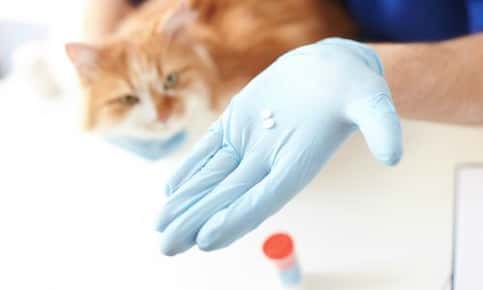
Veterinarian holding pet medication

Tips For Effectively Administering Pet Medication

Trying to slip a pill between your pet's clenched teeth just might be one of the hardest pet-related tasks you'll ever perform. The experience can be difficult and frustrating for both of you and may prevent your pet from receiving much-needed medication. These tips can make the process much easier and less stressful.

Follow This Step-By-Step Procedure

If your pet's veterinarian has prescribed pills, follow these steps:

  • Place the pill between your index finger and thumb.
  • Tilt the pet's head back slightly to make it easier to swallow the pill.
  • Lift the upper jaw using the middle and ring fingers.
  • Drop the pill into the center of your pet's tongue and close the jaw.
  • Gently rub the throat to encourage swallowing.
  • Use a pill applicator if you have difficulty placing the pill in your pet's mouth. The device deposits the pill in the back of the mouth for easy swallowing.

If you'll be giving your pet liquid medication, don't tilt its head back, as this position may cause choking. After you open your pet's jaw, squirt the medicine in the side of the mouth.

Don't be afraid to ask for help if you need it. If a friend or family member isn't available to hold your pet, wrap your dog, cat, rabbit or small animal in a towel or blanket to limit squirming and prevent injuries.

Get Creative

It may not be practical to use the above method if your pet is very large or difficult to control, even if you have help. Hiding whole pills or liquid medication in food or treats may offer a simple way to ensure that your pet receives the medication. Don't crush pills without speaking to your pet's veterinarian first, as some medication may not be as effective if it's crushed.

The food you choose should be large enough to conceal the medication completely and tasty enough to tempt your pet. Buy treats that contain pill pockets or hide medication in foods your pet enjoys, such as tuna, canned meat, peanut butter, cream cheese, baby food or wet pet food.

Try Pet-Approved Flavors

Beef, chicken or fish flavors can be added to some medications to make them more attractive to pets. If your pet takes medication that contains one of these flavors, be sure to store the container in a safe place to prevent an accidental overdose.

Don't Share Medications

Dosage amounts vary depending on the size and type of pet. A therapeutic dose of a medication for your large dog may sicken your cat or smaller dog. In some cases, your pet may be prescribed the same drug that you take. Although it may be tempting to save a little money by offering by your dog or pet half of one of your pills, the dosage may still be much too strong for your pet.

Some medications intended for use by humans can be toxic for pets. Aleve, Motrin or Advil may help your aches and pains but can cause stomach and intestinal ulcers and kidney failure in pets, according to the Pet Poison Helpline. Acetaminophen (Tylenol) can cause red blood cell damage in cats and dogs and liver failure in dogs. Before you give your pet any drug intended for humans, check with your veterinarian first.

A Few Things to Remember

Keep these things in mind when your pet is taking medication:

  • Follow Instructions Carefully. Some medications should be taken with or without food or water. If you don't follow these instructions, the medicine may not work as well. It's also important to give doses at the intervals noted on the label.
  • Use the Entire Prescription. Your pet may begin to feel better a few days after starting a medication. Unfortunately, the symptoms may return if you don't give your pet all of the prescribed pills or liquid medication.
  • Be Alert for Side Effects. Pets can experience side effects from medications just as people can. Ask your pet's veterinarian to describe common side effects and explain which effects are serious and warrant a call to the office.

Do you have any questions about your pet's medication or symptoms? Give us a call and let us know how we can help you.

Sources:

Institute for Safe Medication Practices: Top 10 Tips for Keeping Pets Safe Around Human Medications, 3/14/19

American Kennel Club: 6 Tips for Giving Your Dog His Pills, 8/22/18

AVMA: Your Pet’s Medications

Pet Poison Helpline: Top 10 Human Medications Poisonous to Pets

  • Pet Health
    • Chronic Conditions
    • Digestive and Oral Health
    • Diseases and Viruses
    • Pests and Parasites
    • Orthopedics
  • Today's Veterinarian
  • Choosing Your Pet
    • Finding Your Pet
    • Cats
    • Dogs
    • Exotics
      • Amphibians
      • Birds
      • Reptiles
        • Lizards
        • Turtles
    • Small Mammals
      • Ferrets
      • Rabbits
      • Domesticated Animals
        • Prairie Dogs
      • Pocket Pets
        • Chinchillas
        • Guinea Pigs
        • Hamsters
        • Hedgehogs
        • Rats
    • Livestock
      • Cows
      • Donkeys, Horses & Mules
      • Goats
      • Pigs
      • Poultry
      • Sheep
  • Living With Your Pet
    • Bringing Your Pet Home
    • Children and Pets
    • Providing Care
    • Travel
    • Saying Goodbye
  • Newsletter Library
    • Cats
    • Tips for Pet Owners
    • Behavior & Training
    • Fleas & Parasites
    • Keeping Pets Healthy
    • Recognizing Illness
    • Nutrition & Food
    • Pet Dangers
    • Seasonal Topics
    • Visiting the Vet
    • Equine
    • Newsletter Archive
      • Fun with Pets
      • Unbelievable Pets
  • Video Newsroom
    • Health Topics
    • Technology and Science
    • Other Interests
  • Newsletter Library
  • Client Survey
  • Pets4Kids

Sign up using the form below or call (731) 661-0711 to make an appointment.

Error!

    • Services

      We strive to be your best Jackson veterinary clinic.
    • Make An Appointment

      University Parkway Animal Hospital will do our best to accommodate your busy schedule!
    • Online Pharmacy

      Check out our pharmacy, hosted by your vet in Jackson.

    Office Hours

    Our Regular Schedule

    Monday:

    7:30 am-5:00 pm

    Tuesday:

    7:30 am-12:00 pm

    Wednesday:

    7:30 am-5:00 pm

    Thursday:

    7:30 am-5:00 pm

    Friday:

    7:30 am-5:00 pm

    Saturday:

    Closed

    Sunday:

    Closed

    Location

    Find us on the map

    Testimonials

    What University Parkway Vet Clients Say

    Took my kitten there today (they are not closed, as the Facebook page says!), and loved it! Very kind, friendly staff who really give their time and attention to your pet! Highly recommend!

    Kippi Wood Adams

    Newsletter Sign Up

    Sign up for more articles

    Error!

      • Copyright © 2026 MH Sub I, LLC dba iMatrix.
      • Admin Log In
      • Site Map