University Parkway Animal Hospital
(731) 661-0711
Open mobile navigation
  • Home
  • About Us
    • Our Facility
    • Our Staff
    • Hospital Fees
    • Virtual Office Tour
  • Comprehensive Vet Care
  • Services
    • Diarrhea & Vomiting
    • Ear Mites
    • Emergency Care
    • Flea and Tick Prevention
    • Heartworm Disease
      • Heartworm Prevention
      • Heartworm FAQs
    • Importance of Grooming
    • In-House IDEXX Laboratory
    • Lameness & Limping
    • Limb Amputation
    • Microchipping
      • Microchipping FAQs
    • Orthopedic Surgery
      • Dog Knee Surgery
    • Orthopedics
      • Orthopedics FAQs
    • Pet Anxiety
    • Pet Anesthesia
    • Parasite Prevention
      • Flea & Tick Problems
      • Flea & Ticks
    • Pet Boarding
    • Pet Ear Care
      • Pet Ear Infection
    • Pet Medical Examination
    • Pet Dental Care
      • Pet Teeth Cleaning
      • Pet Dental FAQs
      • Tooth Extractions
    • Pet Surgery
      • TPLO Surgery
    • Pet Allergies
      • Pet Allergies FAQs
    • Pet Dehydration and Heatstroke
    • Pet Eye Infections
    • Pet Dermatology
      • Pet Skin Conditions & Treatment
      • Canine Atopic Dermatitis
    • Pet Illness
    • Pet Grooming
    • Preventative Care
    • Pet Wellness Exams
      • Importance of Wellness Exams
    • Pet Urgent/Emergency Care
    • Puppy & Kitten Care
    • Spay and Neuter
      • Spay and Neuter FAQ
    • Soft Tissue Repairs
    • Senior Pet Care
      • Senior Pet Care FAQs
    • Toxic Ingestion
    • Vaccinations
      • Cat Vaccinations
      • Dog Vaccinations
      • Vaccinations FAQs
  • Admissions
  • Online Forms
  • Clinic Hours
  • Contact Us
  • What's New
  • Blog
  • Veterinary Topics
    • Pet Health
      • Chronic Conditions
      • Digestive and Oral Health
      • Diseases and Viruses
      • Pests and Parasites
      • Orthopedics
    • Today's Veterinarian
    • Choosing Your Pet
      • Finding Your Pet
      • Cats
      • Dogs
      • Exotics
        • Amphibians
        • Birds
        • Reptiles
          • Lizards
          • Turtles
      • Small Mammals
        • Ferrets
        • Rabbits
        • Domesticated Animals
          • Prairie Dogs
        • Pocket Pets
          • Chinchillas
          • Guinea Pigs
          • Hamsters
          • Hedgehogs
          • Rats
      • Livestock
        • Cows
        • Donkeys, Horses & Mules
        • Goats
        • Pigs
        • Poultry
        • Sheep
    • Living With Your Pet
      • Bringing Your Pet Home
      • Children and Pets
      • Providing Care
      • Travel
      • Saying Goodbye
    • Newsletter Library
      • Cats
      • Tips for Pet Owners
      • Behavior & Training
      • Fleas & Parasites
      • Keeping Pets Healthy
      • Recognizing Illness
      • Nutrition & Food
      • Pet Dangers
      • Seasonal Topics
      • Visiting the Vet
      • Equine
      • Newsletter Archive
        • Fun with Pets
        • Unbelievable Pets
    • Video Newsroom
      • Health Topics
      • Technology and Science
      • Other Interests
    • Newsletter Library
    • Client Survey
    • Pets4Kids
  • Home >
  • Articles >
  • Newsletter Library >
  • Seasonal Topics >
  • Safety Guidelines for Pet Costumes

Safety Guidelines for Pet Costumes

  • Created in Newsletter Library, Seasonal Topics

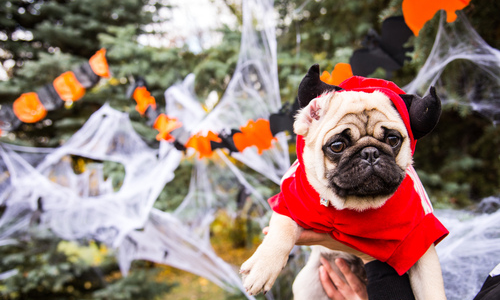
A dog wearing a Halloween costume

Tips For Safe and Comfortable Pet Costumes

Safety is an important consideration if your pet will be dressing up for Halloween or another festive occasion this year. Keeping these recommendations in mind when you shop will help you ensure that the costume you choose is safe and comfortable for your companion.

Costumes Should Allow Your Pet to Move Freely

Can your pet walk, run, jump, sit, and move normally when wearing the costume? If not, it may be best to keep shopping. Look for costumes made of soft, stretchy material that moves with your furry friend. Be sure to put the costume on your pet before the big day. If it restricts your pet's mobility or doesn't fit well, you'll have plenty of time to find a better choice.

Although costumes should allow plenty of room for movement, make sure they aren't too big or loose. Loose or large costumes may pose tripping hazards.

Stay Away from Flammable Materials

Costumes made with synthetic materials are more likely to catch fire than those made of natural fibers. If a fire does occur, your pet may try to run in an attempt to escape the blaze, increasing the risk of severe burns.

Reading the tags or online product descriptions for all of the costumes you're considering can help you avoid inadvertently selecting a highly flammable costume.

Make Sure Masks and Hats Fit Well

Masks, hats, wigs, and headbands can interfere with vision if they're not the right size for your pet. Make sure eye holes on masks are large enough to allow your pet to see in all directions. Poorly fitting hats, headbands, headpieces, or wigs can drift into your cat or dog's field of vision, making it difficult to spot obstacles. Make sure these items fit your pet snugly to avoid vision problems. Avoid masks that cover your pet's nose and make it hard to breathe.

Look for Choking Hazards

Dangly decorations, buttons, and elaborate trim make any costume look more authentic but can pose a choking risk. If your pet is a chewer, it may be best to bypass these types of costumes. In addition to triggering choking, swallowed decorations might damage your pet's stomach or intestines.

Choose Costumes That Can Accommodate Leashes and Harnesses

Parties and celebrations can be a little overwhelming for some pets, particularly if other people and animals are wearing costumes. If your pet tries to run away from a spooky witch or scary clown, a harness or leash will prevent him or her from dashing into the street or disappearing into the bushes.

The ASPCA recommends that pets wear identification tags when in costume. ID tags are a good idea even if your pet is microchipped. Good Samaritans who find your pet won't have microchip scanners, which could delay your reunion with your dog or cat.

Make Sure Your Pet's Costume Can Be Seen in the Dark

That black vampire costume may be a hazard if your pet will be outside when it's dark. Choose costumes that contain bright colors or include reflective trim and materials if you'll be spending time outdoors in the evening.

Be Patient

Your cat or dog may not like wearing a costume at first. Place the costume on your pet for a few minutes initially, then gradually increase wearing time. If your pet is obviously unhappy, fearful or anxious, or tries to bite and tear the costume, it may not be the best option. Try another costume, or buy your pet a decorated collar or bandana instead. Collars and bandanas offer a festive touch and are well tolerated by many pets.

If your pet doesn't like dressing up, consider a more creative approach. Pulling your pet in a small decorated wagon may be a better option than forcing your cat, dog, or small animal to wear a costume.

Do you have a few questions or concerns about your pet's physical or mental health? Contact our office to schedule your furry friend's appointment.

Sources:

ASPCA: Tips on Costumes, Candy and Celebrating Safely with Your Pets This Halloween, 10/26/16

The Humane Society of the United States: Halloween Safety Tips for Pets

American Kennel Club: 10 Tips for Dressing Up Your Dog Safely, 10/26/16

  • Pet Health
    • Chronic Conditions
    • Digestive and Oral Health
    • Diseases and Viruses
    • Pests and Parasites
    • Orthopedics
  • Today's Veterinarian
  • Choosing Your Pet
    • Finding Your Pet
    • Cats
    • Dogs
    • Exotics
      • Amphibians
      • Birds
      • Reptiles
        • Lizards
        • Turtles
    • Small Mammals
      • Ferrets
      • Rabbits
      • Domesticated Animals
        • Prairie Dogs
      • Pocket Pets
        • Chinchillas
        • Guinea Pigs
        • Hamsters
        • Hedgehogs
        • Rats
    • Livestock
      • Cows
      • Donkeys, Horses & Mules
      • Goats
      • Pigs
      • Poultry
      • Sheep
  • Living With Your Pet
    • Bringing Your Pet Home
    • Children and Pets
    • Providing Care
    • Travel
    • Saying Goodbye
  • Newsletter Library
    • Cats
    • Tips for Pet Owners
    • Behavior & Training
    • Fleas & Parasites
    • Keeping Pets Healthy
    • Recognizing Illness
    • Nutrition & Food
    • Pet Dangers
    • Seasonal Topics
    • Visiting the Vet
    • Equine
    • Newsletter Archive
      • Fun with Pets
      • Unbelievable Pets
  • Video Newsroom
    • Health Topics
    • Technology and Science
    • Other Interests
  • Newsletter Library
  • Client Survey
  • Pets4Kids

Sign up using the form below or call (731) 661-0711 to make an appointment.

Error!

    • Services

      We strive to be your best Jackson veterinary clinic.
    • Make An Appointment

      University Parkway Animal Hospital will do our best to accommodate your busy schedule!
    • Online Pharmacy

      Check out our pharmacy, hosted by your vet in Jackson.

    Office Hours

    Our Regular Schedule

    Monday:

    7:30 am-5:00 pm

    Tuesday:

    7:30 am-12:00 pm

    Wednesday:

    7:30 am-5:00 pm

    Thursday:

    7:30 am-5:00 pm

    Friday:

    7:30 am-5:00 pm

    Saturday:

    Closed

    Sunday:

    Closed

    Location

    Find us on the map

    Testimonials

    What University Parkway Vet Clients Say

    Took my kitten there today (they are not closed, as the Facebook page says!), and loved it! Very kind, friendly staff who really give their time and attention to your pet! Highly recommend!

    Kippi Wood Adams

    Newsletter Sign Up

    Sign up for more articles

    Error!

      • Copyright © 2026 MH Sub I, LLC dba iMatrix.
      • Admin Log In
      • Site Map