University Parkway Animal Hospital
(731) 661-0711
Open mobile navigation
  • Home
  • About Us
    • Our Facility
    • Our Staff
    • Hospital Fees
    • Virtual Office Tour
  • Comprehensive Vet Care
  • Services
    • Diarrhea & Vomiting
    • Ear Mites
    • Emergency Care
    • Flea and Tick Prevention
    • Heartworm Disease
      • Heartworm Prevention
      • Heartworm FAQs
    • Importance of Grooming
    • In-House IDEXX Laboratory
    • Lameness & Limping
    • Limb Amputation
    • Microchipping
      • Microchipping FAQs
    • Orthopedic Surgery
      • Dog Knee Surgery
    • Orthopedics
      • Orthopedics FAQs
    • Pet Anxiety
    • Pet Anesthesia
    • Parasite Prevention
      • Flea & Tick Problems
      • Flea & Ticks
    • Pet Boarding
    • Pet Ear Care
      • Pet Ear Infection
    • Pet Medical Examination
    • Pet Dental Care
      • Pet Teeth Cleaning
      • Pet Dental FAQs
      • Tooth Extractions
    • Pet Surgery
      • TPLO Surgery
    • Pet Allergies
      • Pet Allergies FAQs
    • Pet Dehydration and Heatstroke
    • Pet Eye Infections
    • Pet Dermatology
      • Pet Skin Conditions & Treatment
      • Canine Atopic Dermatitis
    • Pet Illness
    • Pet Grooming
    • Preventative Care
    • Pet Wellness Exams
      • Importance of Wellness Exams
    • Pet Urgent/Emergency Care
    • Puppy & Kitten Care
    • Spay and Neuter
      • Spay and Neuter FAQ
    • Soft Tissue Repairs
    • Senior Pet Care
      • Senior Pet Care FAQs
    • Toxic Ingestion
    • Vaccinations
      • Cat Vaccinations
      • Dog Vaccinations
      • Vaccinations FAQs
  • Admissions
  • Online Forms
  • Clinic Hours
  • Contact Us
  • What's New
  • Blog
  • Veterinary Topics
    • Pet Health
      • Chronic Conditions
      • Digestive and Oral Health
      • Diseases and Viruses
      • Pests and Parasites
      • Orthopedics
    • Today's Veterinarian
    • Choosing Your Pet
      • Finding Your Pet
      • Cats
      • Dogs
      • Exotics
        • Amphibians
        • Birds
        • Reptiles
          • Lizards
          • Turtles
      • Small Mammals
        • Ferrets
        • Rabbits
        • Domesticated Animals
          • Prairie Dogs
        • Pocket Pets
          • Chinchillas
          • Guinea Pigs
          • Hamsters
          • Hedgehogs
          • Rats
      • Livestock
        • Cows
        • Donkeys, Horses & Mules
        • Goats
        • Pigs
        • Poultry
        • Sheep
    • Living With Your Pet
      • Bringing Your Pet Home
      • Children and Pets
      • Providing Care
      • Travel
      • Saying Goodbye
    • Newsletter Library
      • Cats
      • Tips for Pet Owners
      • Behavior & Training
      • Fleas & Parasites
      • Keeping Pets Healthy
      • Recognizing Illness
      • Nutrition & Food
      • Pet Dangers
      • Seasonal Topics
      • Visiting the Vet
      • Equine
      • Newsletter Archive
        • Fun with Pets
        • Unbelievable Pets
    • Video Newsroom
      • Health Topics
      • Technology and Science
      • Other Interests
    • Newsletter Library
    • Client Survey
    • Pets4Kids
  • Home >
  • Articles >
  • Newsletter Library >
  • Cats >
  • Glaucoma in Cats

Glaucoma in Cats

  • Created in Newsletter Library, Cats

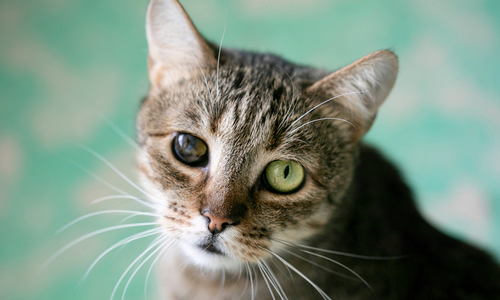
Cat blind in one eye

Could Glaucoma Destroy Your Cat's Vision?

Glaucoma, an eye disease that can cause vision loss in humans, may also affect your favorite feline. Although cats can develop the disease at any age, older cats may be at increased risk.

How Glaucoma Affects Eyesight

Glaucoma occurs when the pressure inside your cat's eye rises dangerously high. Increasing pressure damages the optic nerve, which is responsible for transmitting nerve impulses from the eyes to the brain. The brain then turns the impulses into images. If the optic nerve is damaged, impulses can't reach the brain and partial or complete vision loss occurs. Once damage to the nerve occurs, nothing can be done to restore the lost vision.

The pressure inside the eye may begin to rise if the aqueous humor, the fluid that gives the eyeball its shape, can't drain properly. The problem may occur if tiny drainage channels that remove excess fluid become blocked.

Two Types of Glaucoma Can Cause Vision Issues for Cats

Cats can suffer from primary or secondary glaucoma. Primary glaucoma, the least common type, is often inherited. Burmese, Persian, and Siamese cats are more likely to develop primary glaucoma, which usually affects both eyes, according to Stefano Pizzirani, DVM. Dr. Pizzirani, who shared information about the condition in a Tufts University article, also noted that the condition can affect domestic shorthair cats.

Secondary glaucoma develops after a cat has had an eye infection, inflammation, injury, tumor, or if the clear lens inside the eye becomes detached. Cats affected by secondary glaucoma may develop symptoms in one or both eyes. Uveitis, a type of eye inflammation, is most often to blame for secondary glaucoma. The inflammation causes scar tissue that blocks drainage channels. Uveitis is more common in middle-aged or older cats, according to Cornell University College of Veterinary Medicine.

Signs and Symptoms of Glaucoma

Since pressure changes in your cat's eye can happen slowly or suddenly, it's important to call the veterinarian if you notice any changes in your pet's eyes, even if they seem minor. Treating eye infections promptly may reduce your cat's risk of vision loss.

Signs and symptoms of glaucoma may include:

  • Eye pain
  • Squinting
  • Behavioral Changes (Irritability, loss of interest in usual activities, and other behavioral changes may occur if your pet is in pain.)
  • Red or Bloodshot Eyes
  • Cloudy Cornea (The cornea is the clear layer of tissue that covers the iris and pupil.)
  • Eye Discharge
  • Dilated Pupil
  • Swollen or Bulging Eyeball (Bulging or swelling may occur as the pressure rises inside the eye.)

How Veterinarians Treat Glaucoma in Cats

Restoring normal pressure in the eye will limit the damage to your pet's vision. Your pet's veterinarian may prescribe eye drops that lower the pressure inside the eye. You will need to put the drops in your cat's eyes several times per day for the rest of your pet's life.

If inflammation is the source of the problem, a steroid may be prescribed to reduce the inflammation. Surgery may be needed to drain the excess fluid or prevent fluid from building up in the eye. If these treatments aren't helpful, it may be necessary to remove your cat's eye. Although living without an eye is certainly a major transition, many cats do adapt to losing one or both eyes with the help of their families.

Have you noticed any changes in your cat's eyes? Call us right away to schedule an appointment.

Sources:

Cornell University College of Veterinary Medicine: Feline Glaucoma

PetMD: Glaucoma in Cats, 12/3/09

Tufts University: Feline Glaucoma: Diagnosis and Treatment, 4/1/13

Catster: Let’s Talk Uveitis in Cats and Why Your Vet Should Check It Out ASAP, 4/24/18

  • Pet Health
    • Chronic Conditions
    • Digestive and Oral Health
    • Diseases and Viruses
    • Pests and Parasites
    • Orthopedics
  • Today's Veterinarian
  • Choosing Your Pet
    • Finding Your Pet
    • Cats
    • Dogs
    • Exotics
      • Amphibians
      • Birds
      • Reptiles
        • Lizards
        • Turtles
    • Small Mammals
      • Ferrets
      • Rabbits
      • Domesticated Animals
        • Prairie Dogs
      • Pocket Pets
        • Chinchillas
        • Guinea Pigs
        • Hamsters
        • Hedgehogs
        • Rats
    • Livestock
      • Cows
      • Donkeys, Horses & Mules
      • Goats
      • Pigs
      • Poultry
      • Sheep
  • Living With Your Pet
    • Bringing Your Pet Home
    • Children and Pets
    • Providing Care
    • Travel
    • Saying Goodbye
  • Newsletter Library
    • Cats
    • Tips for Pet Owners
    • Behavior & Training
    • Fleas & Parasites
    • Keeping Pets Healthy
    • Recognizing Illness
    • Nutrition & Food
    • Pet Dangers
    • Seasonal Topics
    • Visiting the Vet
    • Equine
    • Newsletter Archive
      • Fun with Pets
      • Unbelievable Pets
  • Video Newsroom
    • Health Topics
    • Technology and Science
    • Other Interests
  • Newsletter Library
  • Client Survey
  • Pets4Kids

Sign up using the form below or call (731) 661-0711 to make an appointment.

Error!

    • Services

      We strive to be your best Jackson veterinary clinic.
    • Make An Appointment

      University Parkway Animal Hospital will do our best to accommodate your busy schedule!
    • Online Pharmacy

      Check out our pharmacy, hosted by your vet in Jackson.

    Office Hours

    Our Regular Schedule

    Monday:

    7:30 am-5:00 pm

    Tuesday:

    7:30 am-12:00 pm

    Wednesday:

    7:30 am-5:00 pm

    Thursday:

    7:30 am-5:00 pm

    Friday:

    7:30 am-5:00 pm

    Saturday:

    Closed

    Sunday:

    Closed

    Location

    Find us on the map

    Testimonials

    What University Parkway Vet Clients Say

    Took my kitten there today (they are not closed, as the Facebook page says!), and loved it! Very kind, friendly staff who really give their time and attention to your pet! Highly recommend!

    Kippi Wood Adams

    Newsletter Sign Up

    Sign up for more articles

    Error!

      • Copyright © 2026 MH Sub I, LLC dba iMatrix.
      • Admin Log In
      • Site Map