University Parkway Animal Hospital
(731) 661-0711
Open mobile navigation
  • Home
  • About Us
    • Our Facility
    • Our Staff
    • Hospital Fees
    • Virtual Office Tour
  • Comprehensive Vet Care
  • Services
    • Diarrhea & Vomiting
    • Ear Mites
    • Emergency Care
    • Flea and Tick Prevention
    • Heartworm Disease
      • Heartworm Prevention
      • Heartworm FAQs
    • Importance of Grooming
    • In-House IDEXX Laboratory
    • Lameness & Limping
    • Limb Amputation
    • Microchipping
      • Microchipping FAQs
    • Orthopedic Surgery
      • Dog Knee Surgery
    • Orthopedics
      • Orthopedics FAQs
    • Pet Anxiety
    • Pet Anesthesia
    • Parasite Prevention
      • Flea & Tick Problems
      • Flea & Ticks
    • Pet Boarding
    • Pet Ear Care
      • Pet Ear Infection
    • Pet Medical Examination
    • Pet Dental Care
      • Pet Teeth Cleaning
      • Pet Dental FAQs
      • Tooth Extractions
    • Pet Surgery
      • TPLO Surgery
    • Pet Allergies
      • Pet Allergies FAQs
    • Pet Dehydration and Heatstroke
    • Pet Eye Infections
    • Pet Dermatology
      • Pet Skin Conditions & Treatment
      • Canine Atopic Dermatitis
    • Pet Illness
    • Pet Grooming
    • Preventative Care
    • Pet Wellness Exams
      • Importance of Wellness Exams
    • Pet Urgent/Emergency Care
    • Puppy & Kitten Care
    • Spay and Neuter
      • Spay and Neuter FAQ
    • Soft Tissue Repairs
    • Senior Pet Care
      • Senior Pet Care FAQs
    • Toxic Ingestion
    • Vaccinations
      • Cat Vaccinations
      • Dog Vaccinations
      • Vaccinations FAQs
  • Admissions
  • Online Forms
  • Clinic Hours
  • Contact Us
  • What's New
  • Blog
  • Veterinary Topics
    • Pet Health
      • Chronic Conditions
      • Digestive and Oral Health
      • Diseases and Viruses
      • Pests and Parasites
      • Orthopedics
    • Today's Veterinarian
    • Choosing Your Pet
      • Finding Your Pet
      • Cats
      • Dogs
      • Exotics
        • Amphibians
        • Birds
        • Reptiles
          • Lizards
          • Turtles
      • Small Mammals
        • Ferrets
        • Rabbits
        • Domesticated Animals
          • Prairie Dogs
        • Pocket Pets
          • Chinchillas
          • Guinea Pigs
          • Hamsters
          • Hedgehogs
          • Rats
      • Livestock
        • Cows
        • Donkeys, Horses & Mules
        • Goats
        • Pigs
        • Poultry
        • Sheep
    • Living With Your Pet
      • Bringing Your Pet Home
      • Children and Pets
      • Providing Care
      • Travel
      • Saying Goodbye
    • Newsletter Library
      • Cats
      • Tips for Pet Owners
      • Behavior & Training
      • Fleas & Parasites
      • Keeping Pets Healthy
      • Recognizing Illness
      • Nutrition & Food
      • Pet Dangers
      • Seasonal Topics
      • Visiting the Vet
      • Equine
      • Newsletter Archive
        • Fun with Pets
        • Unbelievable Pets
    • Video Newsroom
      • Health Topics
      • Technology and Science
      • Other Interests
    • Newsletter Library
    • Client Survey
    • Pets4Kids
  • Home >
  • Articles >
  • Newsletter Library >
  • The Most Common Vaccinations for Your Cat and Dog

The Most Common Vaccinations for Your Cat and Dog

  • Created in Newsletter Library

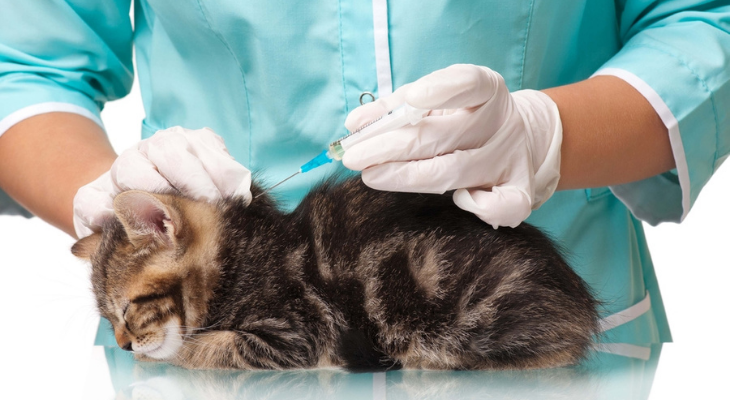
Cat getting vaccinated by vet

Core Vaccines for Your Cat and Dog

Vaccinations protect your cat or dog from illnesses that could cause serious health complications or even death. Vaccines boost your pet's immune system, preventing illness or making symptoms much less severe.

Vaccines Your Dog Needs

These core vaccinations are recommended for all dogs:

  • Rabies. Your dog can catch rabies from the bite or scratch of an infected dog, cat, bat, skunk, fox, raccoon, or another wild animal. Unfortunately, rabies is usually fatal. There are about 5,000 rabies cases in the U.S. every year, according to the Centers for Disease Control and Prevention. Ninety percent of the cases involve wildlife. Vaccinating your dog offers a simple way to protect your furry friend from this deadly disease.
  • Combination Vaccine. This shot offers protection from four diseases that could affect your pet: distemper, adenovirus-2, parainfluenza, and parvovirus. These diseases are highly contagious, can make your pet very sick, and have a high fatality rate.

Your veterinarian may also suggest one or more non-core vaccinations. Your dog may need a non-core vaccination if a particular disease is more common in your area, or if your pet travels with you to other areas of the country or frequently spends time with other dogs. Non-core vaccinations include:

  • Bordetella (Kennel Cough). This vaccine is recommended for pets that spend time around other dogs at dog parks, boarding facilities, training classes, or dog shows.
  • Lyme Disease. A Lyme disease vaccine may be needed if you live in a part of the country where the disease is widespread.
  • Leptospirosis. Leptospirosis is spread through the urine of wild animals. Depending on the amount of time your dog spends outdoors, your veterinarian may recommend the vaccine.
  • Crotalus Atrox. The Crotalus atrox vaccine decreases your dog's risk of death if it's ever bitten by several types of rattlesnake found in California.
  • Influenza. The influenza vaccine can make canine flu symptoms less severe if your dog catches this illness. It's recommended for dogs that regularly spend time with other dogs.

Vaccines Your Cat Needs

Core vaccines for cats include:

  • Rabies. A rabies vaccine is a must even if you have an indoor cat. You never know when you're cat could slip out an open door and come in contact with a wild animal infected with the rabies virus. Even if your cat never goes outdoors, a rabid bat could find its way into your home and infect your favorite feline. A rabies vaccine offers peace of mind and is required by many municipalities.
  • Combination Vaccine. The FVRCP combination vaccine for cats provides protection against feline calicivirus, feline panleukopenia (distemper), and feline viral rhinotracheitis herpesvirus-1). All of these diseases are easily spread and cause symptoms ranging from nasal congestion to diarrhea to death.
  • Feline Leukemia (FeLV). Your cat will need a feline leukemia vaccine if it's 1 year old or younger, as younger animals are more likely to catch this disease. The FeLV vaccine is a non-core vaccine for older cats who go outdoors.

These non-core vaccines may be recommended for some cats:

  • Bordetella. Although most cats won't need the bordetella (kennel cough) vaccine, it can be a good idea if you have multiple cats in your home or your cat stays in a boarding facility occasionally.
  • Chlamydia. The chlamydia vaccine can be added to the combination vaccine or given separately. The illness, which causes conjunctivitis (pink eye) and upper respiratory infections, most often affect multi-cat households and cats that go outdoors.

Has your cat or dog been vaccinated against diseases common in our area? Contact us if your pet needs a vaccine, or you're not sure which vaccines your dog or cat has received.

Sources:

American Animal Hospital Association: Top 10 Things You Need to Know About AAHA's Canine Vaccination Guidelines

Centers for Disease Control and Prevention: Rabies in the U.S.

American Animal Hospital Association: Core Vaccines for Pet Cats

ASPCA: Vaccinations for Your Pet

Consumer Reports: Why It’s So Important to Vaccinate Your Dog, 9/17/18

  • Pet Health
    • Chronic Conditions
    • Digestive and Oral Health
    • Diseases and Viruses
    • Pests and Parasites
    • Orthopedics
  • Today's Veterinarian
  • Choosing Your Pet
    • Finding Your Pet
    • Cats
    • Dogs
    • Exotics
      • Amphibians
      • Birds
      • Reptiles
        • Lizards
        • Turtles
    • Small Mammals
      • Ferrets
      • Rabbits
      • Domesticated Animals
        • Prairie Dogs
      • Pocket Pets
        • Chinchillas
        • Guinea Pigs
        • Hamsters
        • Hedgehogs
        • Rats
    • Livestock
      • Cows
      • Donkeys, Horses & Mules
      • Goats
      • Pigs
      • Poultry
      • Sheep
  • Living With Your Pet
    • Bringing Your Pet Home
    • Children and Pets
    • Providing Care
    • Travel
    • Saying Goodbye
  • Newsletter Library
    • Cats
    • Tips for Pet Owners
    • Behavior & Training
    • Fleas & Parasites
    • Keeping Pets Healthy
    • Recognizing Illness
    • Nutrition & Food
    • Pet Dangers
    • Seasonal Topics
    • Visiting the Vet
    • Equine
    • Newsletter Archive
      • Fun with Pets
      • Unbelievable Pets
  • Video Newsroom
    • Health Topics
    • Technology and Science
    • Other Interests
  • Newsletter Library
  • Client Survey
  • Pets4Kids

Sign up using the form below or call (731) 661-0711 to make an appointment.

Error!

    • Services

      We strive to be your best Jackson veterinary clinic.
    • Make An Appointment

      University Parkway Animal Hospital will do our best to accommodate your busy schedule!
    • Online Pharmacy

      Check out our pharmacy, hosted by your vet in Jackson.

    Office Hours

    Our Regular Schedule

    Monday:

    7:30 am-5:00 pm

    Tuesday:

    7:30 am-12:00 pm

    Wednesday:

    7:30 am-5:00 pm

    Thursday:

    7:30 am-5:00 pm

    Friday:

    7:30 am-5:00 pm

    Saturday:

    Closed

    Sunday:

    Closed

    Location

    Find us on the map

    Testimonials

    What University Parkway Vet Clients Say

    Took my kitten there today (they are not closed, as the Facebook page says!), and loved it! Very kind, friendly staff who really give their time and attention to your pet! Highly recommend!

    Kippi Wood Adams

    Newsletter Sign Up

    Sign up for more articles

    Error!

      • Copyright © 2026 MH Sub I, LLC dba iMatrix.
      • Admin Log In
      • Site Map