University Parkway Animal Hospital
(731) 661-0711
Open mobile navigation
  • Home
  • About Us
    • Our Facility
    • Our Staff
    • Hospital Fees
    • Virtual Office Tour
  • Comprehensive Vet Care
  • Services
    • Diarrhea & Vomiting
    • Ear Mites
    • Emergency Care
    • Flea and Tick Prevention
    • Heartworm Disease
      • Heartworm Prevention
      • Heartworm FAQs
    • Importance of Grooming
    • In-House IDEXX Laboratory
    • Lameness & Limping
    • Limb Amputation
    • Microchipping
      • Microchipping FAQs
    • Orthopedic Surgery
      • Dog Knee Surgery
    • Orthopedics
      • Orthopedics FAQs
    • Pet Anxiety
    • Pet Anesthesia
    • Parasite Prevention
      • Flea & Tick Problems
      • Flea & Ticks
    • Pet Boarding
    • Pet Ear Care
      • Pet Ear Infection
    • Pet Medical Examination
    • Pet Dental Care
      • Pet Teeth Cleaning
      • Pet Dental FAQs
      • Tooth Extractions
    • Pet Surgery
      • TPLO Surgery
    • Pet Allergies
      • Pet Allergies FAQs
    • Pet Dehydration and Heatstroke
    • Pet Eye Infections
    • Pet Dermatology
      • Pet Skin Conditions & Treatment
      • Canine Atopic Dermatitis
    • Pet Illness
    • Pet Grooming
    • Preventative Care
    • Pet Wellness Exams
      • Importance of Wellness Exams
    • Pet Urgent/Emergency Care
    • Puppy & Kitten Care
    • Spay and Neuter
      • Spay and Neuter FAQ
    • Soft Tissue Repairs
    • Senior Pet Care
      • Senior Pet Care FAQs
    • Toxic Ingestion
    • Vaccinations
      • Cat Vaccinations
      • Dog Vaccinations
      • Vaccinations FAQs
  • Admissions
  • Online Forms
  • Clinic Hours
  • Contact Us
  • What's New
  • Blog
  • Veterinary Topics
    • Pet Health
      • Chronic Conditions
      • Digestive and Oral Health
      • Diseases and Viruses
      • Pests and Parasites
      • Orthopedics
    • Today's Veterinarian
    • Choosing Your Pet
      • Finding Your Pet
      • Cats
      • Dogs
      • Exotics
        • Amphibians
        • Birds
        • Reptiles
          • Lizards
          • Turtles
      • Small Mammals
        • Ferrets
        • Rabbits
        • Domesticated Animals
          • Prairie Dogs
        • Pocket Pets
          • Chinchillas
          • Guinea Pigs
          • Hamsters
          • Hedgehogs
          • Rats
      • Livestock
        • Cows
        • Donkeys, Horses & Mules
        • Goats
        • Pigs
        • Poultry
        • Sheep
    • Living With Your Pet
      • Bringing Your Pet Home
      • Children and Pets
      • Providing Care
      • Travel
      • Saying Goodbye
    • Newsletter Library
      • Cats
      • Tips for Pet Owners
      • Behavior & Training
      • Fleas & Parasites
      • Keeping Pets Healthy
      • Recognizing Illness
      • Nutrition & Food
      • Pet Dangers
      • Seasonal Topics
      • Visiting the Vet
      • Equine
      • Newsletter Archive
        • Fun with Pets
        • Unbelievable Pets
    • Video Newsroom
      • Health Topics
      • Technology and Science
      • Other Interests
    • Newsletter Library
    • Client Survey
    • Pets4Kids
  • Home >
  • Articles >
  • Newsletter Library >
  • The Do’s and Don'ts of Pet Summer Safety

The Do’s and Don'ts of Pet Summer Safety

  • Created in Newsletter Library

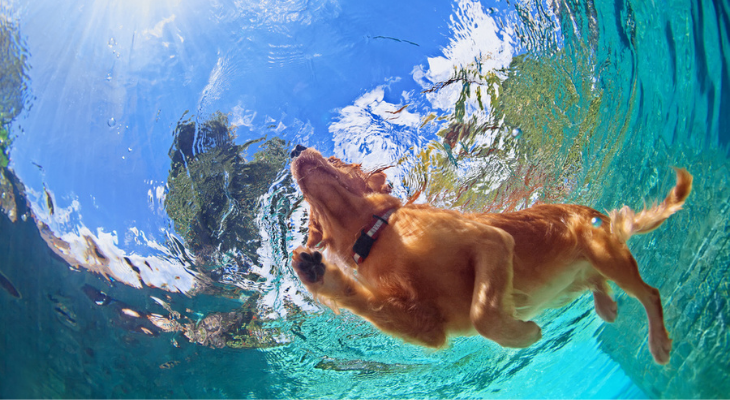
Dog swimming in pool

Pet Summer Safety Tips

As the temperature rises, injuries tend to increase for both people and pets. Following our list of dos and don't will help you and your pet enjoy a happy, injury-free summer.

Don't Leave Your Pet in a Parked Car

In the time it takes you to dash into the grocery store for a few things, your pet could develop heatstroke or even die. According to the American Veterinary Medical Association, the temperature inside your car or truck can increase by 20 degrees in 10 minutes, 30 degrees in 20 minutes, and 40 degrees in 1 hour. Temperatures can rise dangerously high even if you crack the windows. If your pet isn't welcome inside stores or businesses, it's best to leave it at home.

Do Protect Your Pet's Paws

Hot pavement can quickly burn your pet's paws. Limit walks to early morning or dusk on particularly hot days. Test the pavement with your hand before you go for a walk. If the pavement is uncomfortably hot, it's too hot to take your dog or cat for a walk.

Don't Let Pets Loose in Cars

Unsecured pets are more likely to be injured during an accident and can be the cause of vehicular accidents. Loose pets may interfere with your vision or ability to control the vehicle.

For safety's sake, place your pet in a harness or carrier. Use the seatbelt to secure the carrier or harness. The back seat is the safest location for pets, as an inflated front seat airbag could injure or kill your dog or cat.

Does your dog like to keep its head out the window during car trips? Your pet could hit its head on a street sign or branch or experience an eye injury from airborne debris.

Do Supervise Pets Around Water

It only takes a second for a pet to drown in a pool, lake, stream, pond, ocean, or other body of water. Don't take your eyes off your pet for a minute around the water.

Contrary to popular belief, all dogs don't have the innate ability to swim. Dogs with short legs and long bodies can struggle in the water, according to the American Kennel, as can dogs whose body weight isn't evenly distributed. A life jacket or flotation vest will protect a dog that isn't a good swimmer or hasn't been in the water before.

Don't Leave Your Pet Outside for Too Long on Hot, Humid Days

Bring your pet inside during the afternoon hours on hot, humid days or at any time of the day if your area is in the midst of a heatwave. Safe temperatures for animals can vary depending on the pet's breed and age.

If your pet is panting or seems lethargic, bring it inside immediately. Take your pet to the veterinarian immediately if it exhibits signs of heatstroke, which include trouble breathing, constant panting, 104 temperature or higher, fast heart rate, weakness, drooling, seizures, vomiting, and collapse.

Do Keep Dangerous Substances and Items Away from Your Pet

Lawn care products, like insecticides and weed killers, can sicken or kill your pet if ingested. Wait until the product dries completely before letting your pet play on your lawn or use non-toxic products.

Don't Leave Windows Unscreened

Pets are naturally drawn to open windows and can fall if they are not screened. Although screens can help protect your pet, larger or heavier pets can still fall through. Childproof window guards offer extra protection and are a must for rooms above the first story.

Do Follow Safe Fireworks Practices

Do you plan to set off fireworks in your backyard this summer? Your pet could be seriously burned investigating a spent or unfired firework. Keep your dogs and cats away from fireworks and sparklers.

Constant loud booms from fireworks can also make summer a frightening time for some dogs. If fireworks terrify your pet, create a safe haven in a quiet place in your house, such as a large, windowless closet. Playing music or using a white noise machine may drown out the noises or make them seem less startling.

If your pet does become injured this summer, prompt veterinary care is essential. Contact us to schedule an appointment for your companion.

Sources:

ASPCA: Hot Weather Safety Tips

American Veterinary Medical Association: Pets in Vehicles

American Kennel Club: Can All Dogs Swim? How to Teach a Dog to Swim, 6/3/21

  • Pet Health
    • Chronic Conditions
    • Digestive and Oral Health
    • Diseases and Viruses
    • Pests and Parasites
    • Orthopedics
  • Today's Veterinarian
  • Choosing Your Pet
    • Finding Your Pet
    • Cats
    • Dogs
    • Exotics
      • Amphibians
      • Birds
      • Reptiles
        • Lizards
        • Turtles
    • Small Mammals
      • Ferrets
      • Rabbits
      • Domesticated Animals
        • Prairie Dogs
      • Pocket Pets
        • Chinchillas
        • Guinea Pigs
        • Hamsters
        • Hedgehogs
        • Rats
    • Livestock
      • Cows
      • Donkeys, Horses & Mules
      • Goats
      • Pigs
      • Poultry
      • Sheep
  • Living With Your Pet
    • Bringing Your Pet Home
    • Children and Pets
    • Providing Care
    • Travel
    • Saying Goodbye
  • Newsletter Library
    • Cats
    • Tips for Pet Owners
    • Behavior & Training
    • Fleas & Parasites
    • Keeping Pets Healthy
    • Recognizing Illness
    • Nutrition & Food
    • Pet Dangers
    • Seasonal Topics
    • Visiting the Vet
    • Equine
    • Newsletter Archive
      • Fun with Pets
      • Unbelievable Pets
  • Video Newsroom
    • Health Topics
    • Technology and Science
    • Other Interests
  • Newsletter Library
  • Client Survey
  • Pets4Kids

Sign up using the form below or call (731) 661-0711 to make an appointment.

Error!

    • Services

      We strive to be your best Jackson veterinary clinic.
    • Make An Appointment

      University Parkway Animal Hospital will do our best to accommodate your busy schedule!
    • Online Pharmacy

      Check out our pharmacy, hosted by your vet in Jackson.

    Office Hours

    Our Regular Schedule

    Monday:

    7:30 am-5:00 pm

    Tuesday:

    7:30 am-12:00 pm

    Wednesday:

    7:30 am-5:00 pm

    Thursday:

    7:30 am-5:00 pm

    Friday:

    7:30 am-5:00 pm

    Saturday:

    Closed

    Sunday:

    Closed

    Location

    Find us on the map

    Testimonials

    What University Parkway Vet Clients Say

    Took my kitten there today (they are not closed, as the Facebook page says!), and loved it! Very kind, friendly staff who really give their time and attention to your pet! Highly recommend!

    Kippi Wood Adams

    Newsletter Sign Up

    Sign up for more articles

    Error!

      • Copyright © 2026 MH Sub I, LLC dba iMatrix.
      • Admin Log In
      • Site Map