University Parkway Animal Hospital
(731) 661-0711
Open mobile navigation
  • Home
  • About Us
    • Our Facility
    • Our Staff
    • Hospital Fees
    • Virtual Office Tour
  • Comprehensive Vet Care
  • Services
    • Diarrhea & Vomiting
    • Ear Mites
    • Emergency Care
    • Flea and Tick Prevention
    • Heartworm Disease
      • Heartworm Prevention
      • Heartworm FAQs
    • Importance of Grooming
    • In-House IDEXX Laboratory
    • Lameness & Limping
    • Limb Amputation
    • Microchipping
      • Microchipping FAQs
    • Orthopedic Surgery
      • Dog Knee Surgery
    • Orthopedics
      • Orthopedics FAQs
    • Pet Anxiety
    • Pet Anesthesia
    • Parasite Prevention
      • Flea & Tick Problems
      • Flea & Ticks
    • Pet Boarding
    • Pet Ear Care
      • Pet Ear Infection
    • Pet Medical Examination
    • Pet Dental Care
      • Pet Teeth Cleaning
      • Pet Dental FAQs
      • Tooth Extractions
    • Pet Surgery
      • TPLO Surgery
    • Pet Allergies
      • Pet Allergies FAQs
    • Pet Dehydration and Heatstroke
    • Pet Eye Infections
    • Pet Dermatology
      • Pet Skin Conditions & Treatment
      • Canine Atopic Dermatitis
    • Pet Illness
    • Pet Grooming
    • Preventative Care
    • Pet Wellness Exams
      • Importance of Wellness Exams
    • Pet Urgent/Emergency Care
    • Puppy & Kitten Care
    • Spay and Neuter
      • Spay and Neuter FAQ
    • Soft Tissue Repairs
    • Senior Pet Care
      • Senior Pet Care FAQs
    • Toxic Ingestion
    • Vaccinations
      • Cat Vaccinations
      • Dog Vaccinations
      • Vaccinations FAQs
  • Admissions
  • Online Forms
  • Clinic Hours
  • Contact Us
  • What's New
  • Blog
  • Veterinary Topics
    • Pet Health
      • Chronic Conditions
      • Digestive and Oral Health
      • Diseases and Viruses
      • Pests and Parasites
      • Orthopedics
    • Today's Veterinarian
    • Choosing Your Pet
      • Finding Your Pet
      • Cats
      • Dogs
      • Exotics
        • Amphibians
        • Birds
        • Reptiles
          • Lizards
          • Turtles
      • Small Mammals
        • Ferrets
        • Rabbits
        • Domesticated Animals
          • Prairie Dogs
        • Pocket Pets
          • Chinchillas
          • Guinea Pigs
          • Hamsters
          • Hedgehogs
          • Rats
      • Livestock
        • Cows
        • Donkeys, Horses & Mules
        • Goats
        • Pigs
        • Poultry
        • Sheep
    • Living With Your Pet
      • Bringing Your Pet Home
      • Children and Pets
      • Providing Care
      • Travel
      • Saying Goodbye
    • Newsletter Library
      • Cats
      • Tips for Pet Owners
      • Behavior & Training
      • Fleas & Parasites
      • Keeping Pets Healthy
      • Recognizing Illness
      • Nutrition & Food
      • Pet Dangers
      • Seasonal Topics
      • Visiting the Vet
      • Equine
      • Newsletter Archive
        • Fun with Pets
        • Unbelievable Pets
    • Video Newsroom
      • Health Topics
      • Technology and Science
      • Other Interests
    • Newsletter Library
    • Client Survey
    • Pets4Kids
  • Home >
  • Articles >
  • Newsletter Library >
  • Can Pets Get Food Poisoning?

Can Pets Get Food Poisoning?

  • Created in Newsletter Library

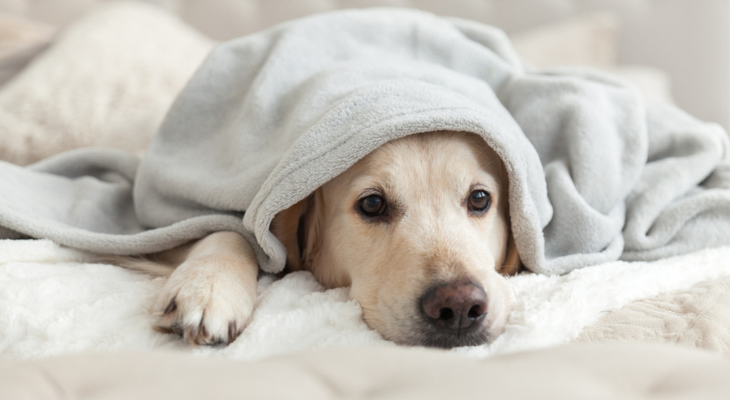
Sick dog laying under blanket

The Causes and Symptoms of Food Poisoning in Pets

Wondering why your pet has suddenly starting vomiting or experiencing diarrhea? Food poisoning could be the reason. Just like people, pets can be sickened by the food they eat.

What Causes Food Poisoning in Pets?

Have you caught your pet rooting through the trash for a tasty morsel? Eating spoiled or moldy food from the trash can cause food poisoning.

Eating raw food can also sicken your cat, dog, or small animal. Cooking kills salmonella and listeria, two types of bacteria that make both people and pets sick. Salmonella and listeria can be found in poultry, meat, eggs, raw vegetables, and unpasteurized dairy products. Salmonella has also been found in pig's ears, pet treats, and pet food.

You're at risk of developing a salmonella infection if you touch pet food or treats or raw food contaminated by salmonella and then touch your mouth or face. Cleaning up feces without washing your hands afterward may increase your risk.

Your pet can also be poisoned by other ingredients in commercially prepared foods. In December 2020, 28 dogs died after eating food contaminated by aflatoxin, according to Food Safety News. Aflatoxins are toxins produced when mold grows on ingredients used to make pet food. As corn and grains used to make pet food are prone to mold, aflatoxin can be a risk if there is a problem with the production or storage of pet food.

In the past, outbreaks of food poisoning have also occurred due to contamination with salmonella and melamine, a chemical that causes kidney failure in dogs and cats.

Some of the foods you eat may not be safe for your pet and can cause poisoning. Foods that aren't safe for pets include chocolate, onions, garlic, raisins, grapes, yeasty dough, tomato leaves and stems, alcohol, apple seeds, cherry pits, avocado seeds, macadamia nuts, potato leaves and stems, and candy or gum sweetened with xylitol.

What Are the Symptoms of Food Poisoning?

Food poisoning can cause:

  • Nausea
  • Vomiting
  • Diarrhea (may be bloody)
  • Fever
  • Drooling
  • Dizziness
  • Shivering
  • Lack of energy
  • Abdominal pain
  • Lack of appetite

How Can I Prevent Food Poisoning?

These tips will help you protect your pet from food poisoning:

  • Take Out the Trash. Take kitchen trash to your outside trash can or dumpster often. Keep the can in a secure location if your pet enjoys foraging through the trash. Remove trash immediately after cleaning moldy or spoiled food from the refrigerator.
  • Cook Raw Food Thoroughly. Make sure any food you serve your pet is thoroughly cooked. Cooking kills salmonella, listeria, and other types of bacteria.
  • Check Out Pet Food Before Serving Your Pet. Don't buy torn or damaged bags, boxes, or cans. Throw out or return food that smells bad, has changed color, or is expired.
  • Place Food Containers in the Refrigerator. Promptly refrigerate unused portions of wet food in covered containers. Refrigerating the food prevents or slows the growth of bacteria.
  • Pay Attention to Recalls. Check the U.S. Food and Drug Administration Recalls and Withdrawals website page regularly for information about pet food recalls. If you see your pet's food on the list, throw it out or return it immediately. Call your pet's veterinarian if you notice any possible signs of food poisoning.
  • Don't Offer Raw Treats. Don't give your pet pig's ears or treats made with rawhide.
  • Eliminate Temptation. Even well-behaved pets may find it hard to resist the raw chicken on your countertop or the chocolates on your coffee table. Store foods in covered containers and put them back in the cabinet or refrigerator as soon as you're done eating them.

Are you concerned that your pet may have food poisoning? Call our office if your furry friend shows any of the signs and symptoms of food poisoning or if you know that your pet has eaten food that can cause illness.

Sources:

U.S. Food and Drug Administration: Melamine Pet Food Recall, 10/7/09

U.S. Food and Drug Administration: Recalls and Withdrawals

Michigan State University Extension: Pets and Food Poisoning: It’s Not Just Humans, 7/13/14

American Kennel Club: Can Dogs Get Food Poisoning?

Food Safety News: Dog Deaths Prompt Pet Food Recall for Aflatoxin Poisoning, 12/31/20

The Humane Society of the United States: Foods That Can Be Poisonous to Pets

  • Pet Health
    • Chronic Conditions
    • Digestive and Oral Health
    • Diseases and Viruses
    • Pests and Parasites
    • Orthopedics
  • Today's Veterinarian
  • Choosing Your Pet
    • Finding Your Pet
    • Cats
    • Dogs
    • Exotics
      • Amphibians
      • Birds
      • Reptiles
        • Lizards
        • Turtles
    • Small Mammals
      • Ferrets
      • Rabbits
      • Domesticated Animals
        • Prairie Dogs
      • Pocket Pets
        • Chinchillas
        • Guinea Pigs
        • Hamsters
        • Hedgehogs
        • Rats
    • Livestock
      • Cows
      • Donkeys, Horses & Mules
      • Goats
      • Pigs
      • Poultry
      • Sheep
  • Living With Your Pet
    • Bringing Your Pet Home
    • Children and Pets
    • Providing Care
    • Travel
    • Saying Goodbye
  • Newsletter Library
    • Cats
    • Tips for Pet Owners
    • Behavior & Training
    • Fleas & Parasites
    • Keeping Pets Healthy
    • Recognizing Illness
    • Nutrition & Food
    • Pet Dangers
    • Seasonal Topics
    • Visiting the Vet
    • Equine
    • Newsletter Archive
      • Fun with Pets
      • Unbelievable Pets
  • Video Newsroom
    • Health Topics
    • Technology and Science
    • Other Interests
  • Newsletter Library
  • Client Survey
  • Pets4Kids

Sign up using the form below or call (731) 661-0711 to make an appointment.

Error!

    • Services

      We strive to be your best Jackson veterinary clinic.
    • Make An Appointment

      University Parkway Animal Hospital will do our best to accommodate your busy schedule!
    • Online Pharmacy

      Check out our pharmacy, hosted by your vet in Jackson.

    Office Hours

    Our Regular Schedule

    Monday:

    7:30 am-5:00 pm

    Tuesday:

    7:30 am-12:00 pm

    Wednesday:

    7:30 am-5:00 pm

    Thursday:

    7:30 am-5:00 pm

    Friday:

    7:30 am-5:00 pm

    Saturday:

    Closed

    Sunday:

    Closed

    Location

    Find us on the map

    Testimonials

    What University Parkway Vet Clients Say

    Took my kitten there today (they are not closed, as the Facebook page says!), and loved it! Very kind, friendly staff who really give their time and attention to your pet! Highly recommend!

    Kippi Wood Adams

    Newsletter Sign Up

    Sign up for more articles

    Error!

      • Copyright © 2026 MH Sub I, LLC dba iMatrix.
      • Admin Log In
      • Site Map