University Parkway Animal Hospital
(731) 661-0711
Open mobile navigation
  • Home
  • About Us
    • Our Facility
    • Our Staff
    • Hospital Fees
    • Virtual Office Tour
  • Comprehensive Vet Care
  • Services
    • Diarrhea & Vomiting
    • Ear Mites
    • Emergency Care
    • Flea and Tick Prevention
    • Heartworm Disease
      • Heartworm Prevention
      • Heartworm FAQs
    • Importance of Grooming
    • In-House IDEXX Laboratory
    • Lameness & Limping
    • Limb Amputation
    • Microchipping
      • Microchipping FAQs
    • Orthopedic Surgery
      • Dog Knee Surgery
    • Orthopedics
      • Orthopedics FAQs
    • Pet Anxiety
    • Pet Anesthesia
    • Parasite Prevention
      • Flea & Tick Problems
      • Flea & Ticks
    • Pet Boarding
    • Pet Ear Care
      • Pet Ear Infection
    • Pet Medical Examination
    • Pet Dental Care
      • Pet Teeth Cleaning
      • Pet Dental FAQs
      • Tooth Extractions
    • Pet Surgery
      • TPLO Surgery
    • Pet Allergies
      • Pet Allergies FAQs
    • Pet Dehydration and Heatstroke
    • Pet Eye Infections
    • Pet Dermatology
      • Pet Skin Conditions & Treatment
      • Canine Atopic Dermatitis
    • Pet Illness
    • Pet Grooming
    • Preventative Care
    • Pet Wellness Exams
      • Importance of Wellness Exams
    • Pet Urgent/Emergency Care
    • Puppy & Kitten Care
    • Spay and Neuter
      • Spay and Neuter FAQ
    • Soft Tissue Repairs
    • Senior Pet Care
      • Senior Pet Care FAQs
    • Toxic Ingestion
    • Vaccinations
      • Cat Vaccinations
      • Dog Vaccinations
      • Vaccinations FAQs
  • Admissions
  • Online Forms
  • Clinic Hours
  • Contact Us
  • What's New
  • Blog
  • Veterinary Topics
    • Pet Health
      • Chronic Conditions
      • Digestive and Oral Health
      • Diseases and Viruses
      • Pests and Parasites
      • Orthopedics
    • Today's Veterinarian
    • Choosing Your Pet
      • Finding Your Pet
      • Cats
      • Dogs
      • Exotics
        • Amphibians
        • Birds
        • Reptiles
          • Lizards
          • Turtles
      • Small Mammals
        • Ferrets
        • Rabbits
        • Domesticated Animals
          • Prairie Dogs
        • Pocket Pets
          • Chinchillas
          • Guinea Pigs
          • Hamsters
          • Hedgehogs
          • Rats
      • Livestock
        • Cows
        • Donkeys, Horses & Mules
        • Goats
        • Pigs
        • Poultry
        • Sheep
    • Living With Your Pet
      • Bringing Your Pet Home
      • Children and Pets
      • Providing Care
      • Travel
      • Saying Goodbye
    • Newsletter Library
      • Cats
      • Tips for Pet Owners
      • Behavior & Training
      • Fleas & Parasites
      • Keeping Pets Healthy
      • Recognizing Illness
      • Nutrition & Food
      • Pet Dangers
      • Seasonal Topics
      • Visiting the Vet
      • Equine
      • Newsletter Archive
        • Fun with Pets
        • Unbelievable Pets
    • Video Newsroom
      • Health Topics
      • Technology and Science
      • Other Interests
    • Newsletter Library
    • Client Survey
    • Pets4Kids
  • Home >
  • Articles >
  • Newsletter Library >
  • June Newsletter: How Often Should Cats Be Vaccinated?

June Newsletter: How Often Should Cats Be Vaccinated?

  • Created in Newsletter Library

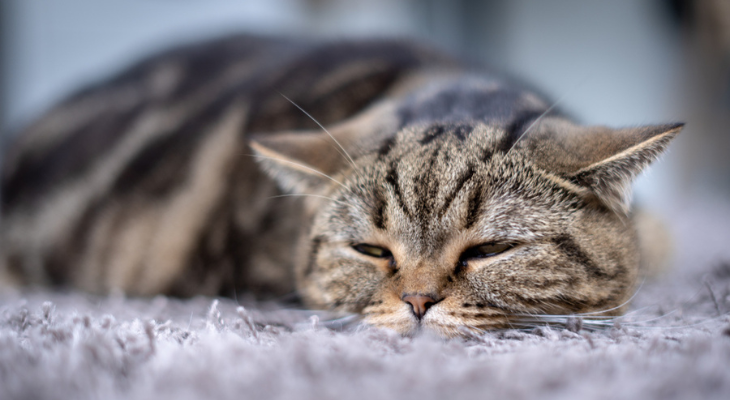
Sick cat tries to take a nap.

How Often Should Cats Be Vaccinated?

Protecting your cat's health starts with making sure your favorite feline's vaccinations are up to date. Not sure when your furry friend should receive a vaccination? Our summary provides all the information you need to know about vaccine schedules and disease prevention.

Why Vaccinations Are Important

Vaccinations help your cat fight diseases that could cause serious illness or death. Vaccines contain antigens, inactive or weak versions of viruses or germs, or genetic material that helps your pet's body create its own antigens. Antigens don't make your pet sick, but help jumpstart its immune system response. If your cat is ever exposed to a pathogen it has been vaccinated against in the future, its immune system will immediately recognize the virus or bacteria and destroy it.

Which Vaccinations Should Your Cat Receive?

Vaccinations are divided into two categories: core and non-core. Core vaccinations are given to all cats and offer protection from the most common diseases that affect felines. Non-core vaccines provide protection against several other illnesses or diseases and are usually only offered if your pet is in a high-risk area or lives a certain lifestyle.

The American Animal Hospital Association Task Force recommends all cats receive core vaccinations for rabies, feline calicivirus, feline herpesvirus-1, and feline panleukopenia. The Association also recommends the feline leukemia vaccine as a core vaccine for cats under 1 year of age.

When to Schedule the Rabies Vaccination

Rabies, a highly contagious virus, affects the brain and spinal cord and is nearly always fatal. Your cat could get rabies if it is scratched, bitten, or licked by an infected animal or comes in contact with that animal's mucus.

Kittens receive the rabies vaccine when they're 8 or 12 weeks old and get another dose one year later. The timing depends on the type of rabies vaccine used, according to the American Association of Feline Practitioners. Cats that receive their first rabies vaccine after 16 weeks should get two doses spaced one year apart. After receiving the initial series of rabies vaccines, cats should be vaccinated every one to three years. The schedule for adult cats varies based on the type of vaccine and local laws.

Scheduling Information for Other Core Vaccinations

The feline calicivirus (FCV), feline herpesvirus-1 (FHV-1) and feline panleukopenia virus (FPV) vaccines all follow the same schedule and are given as a combined injection called the FVRCP vaccination. Kittens younger than 16 weeks receive the initial dose of the vaccine starting at 6 weeks. Additional doses are given every three to four weeks until 4 months. Cats 4 months and older receive two doses of the vaccine spaced three to four weeks apart. After completing the initial vaccine series, cats receive a booster one year later. They then receive subsequent boosters every three years.

FCV causes a contagious respiratory illness in cats that ranges from mild to severe, while FHV-1 is an upper respiratory virus that causes sneezing, eye discharge, and nasal congestion, and discharge. FPV, also called feline distemper, is an often fatal disease that causes diarrhea, vomiting, weight loss, fever, and collapse.

Does Your Cat Need These Non-Core Vaccinations?

The feline leukemia (FeLV) vaccine is recommended for cats under 1 year of age, but is optional for older cats. Feline leukemia is the most common cause of cancer in cats, according to the Cornell Feline Health Center.

FeLV can also cause blood disorders and interfere with your cat's ability to fight illnesses. Thanks to the vaccination of kittens, FeLV rates have dropped substantially, and most older cats no longer need frequent vaccinations. If you have an outdoor cat or a multi-cat household with a FeLV-positive cat, yearly vaccinations are recommended.

Your cat may need a Bordetella vaccine if it spends time outdoors or at groomers or boarding facilities. Bordetella causes coughing, nasal discharge, and fever and can sometimes lead to severe illness. The vaccination is given once during the first year and then every year after.

Is your pet due for its vaccinations? Contact our office to schedule a convenient appointment.

Sources:

American Animal Hospital Association: Core Vaccines for Pet Cats

https://www.aaha.org/aaha-guidelines/2020-aahaaafp-feline-vaccination-guidelines/core-vaccines-for-pet-cats/

American Association of Feline Practitioners: Feline Vaccination Guidelines, 2006

https://catvets.com/public/PDFs/PracticeGuidelines/VaccinationGLS-summary.pdf

WebMD: What to Know About Cat Vaccinations, 3/16/2023

https://pets.webmd.com/cats/cat-vaccines

AVMA: Vaccinations

https://www.avma.org/public/PetCare/Pages/vaccinations.aspx

  • Pet Health
    • Chronic Conditions
    • Digestive and Oral Health
    • Diseases and Viruses
    • Pests and Parasites
    • Orthopedics
  • Today's Veterinarian
  • Choosing Your Pet
    • Finding Your Pet
    • Cats
    • Dogs
    • Exotics
      • Amphibians
      • Birds
      • Reptiles
        • Lizards
        • Turtles
    • Small Mammals
      • Ferrets
      • Rabbits
      • Domesticated Animals
        • Prairie Dogs
      • Pocket Pets
        • Chinchillas
        • Guinea Pigs
        • Hamsters
        • Hedgehogs
        • Rats
    • Livestock
      • Cows
      • Donkeys, Horses & Mules
      • Goats
      • Pigs
      • Poultry
      • Sheep
  • Living With Your Pet
    • Bringing Your Pet Home
    • Children and Pets
    • Providing Care
    • Travel
    • Saying Goodbye
  • Newsletter Library
    • Cats
    • Tips for Pet Owners
    • Behavior & Training
    • Fleas & Parasites
    • Keeping Pets Healthy
    • Recognizing Illness
    • Nutrition & Food
    • Pet Dangers
    • Seasonal Topics
    • Visiting the Vet
    • Equine
    • Newsletter Archive
      • Fun with Pets
      • Unbelievable Pets
  • Video Newsroom
    • Health Topics
    • Technology and Science
    • Other Interests
  • Newsletter Library
  • Client Survey
  • Pets4Kids

Sign up using the form below or call (731) 661-0711 to make an appointment.

Error!

    • Services

      We strive to be your best Jackson veterinary clinic.
    • Make An Appointment

      University Parkway Animal Hospital will do our best to accommodate your busy schedule!
    • Online Pharmacy

      Check out our pharmacy, hosted by your vet in Jackson.

    Office Hours

    Our Regular Schedule

    Monday:

    7:30 am-5:00 pm

    Tuesday:

    7:30 am-12:00 pm

    Wednesday:

    7:30 am-5:00 pm

    Thursday:

    7:30 am-5:00 pm

    Friday:

    7:30 am-5:00 pm

    Saturday:

    Closed

    Sunday:

    Closed

    Location

    Find us on the map

    Testimonials

    What University Parkway Vet Clients Say

    Took my kitten there today (they are not closed, as the Facebook page says!), and loved it! Very kind, friendly staff who really give their time and attention to your pet! Highly recommend!

    Kippi Wood Adams

    Newsletter Sign Up

    Sign up for more articles

    Error!

      • Copyright © 2026 MH Sub I, LLC dba iMatrix.
      • Admin Log In
      • Site Map