
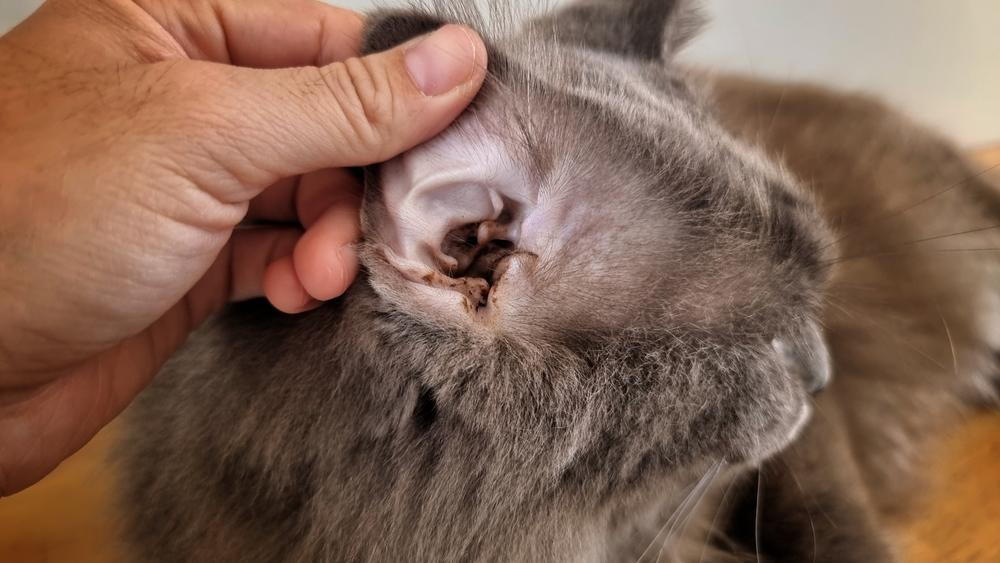
If your cat is constantly scratching at their ears, shaking their head, or showing signs of discomfort, they may be suffering from chronic ear dermatitis. This condition is more than just an occasional itch. It’s an inflammatory skin issue that can cause pain, infection, and long-term irritation if left untreated. At University Parkway Animal Hospital in Jackson, TN, our experienced veterinarian provides comprehensive pet dermatology care to identify the root cause and develop effective treatment plans to keep your cat comfortable and healthy.
Understanding Ear Dermatitis in Cats
Chronic ear dermatitis refers to ongoing inflammation of the skin in and around a cat’s ears. It can be triggered by a variety of factors, including allergies (food or environmental), ear mites, fungal or bacterial infections, or even underlying hormonal issues. The inflammation leads to redness, swelling, scabbing, and sometimes discharge or a foul odor. Because cats are prone to scratching or rubbing the area, the condition can worsen quickly without proper care. If you notice any of these symptoms, it might be time to visit a veterinarian near you for a proper diagnosis.
How It’s Diagnosed
To accurately diagnose chronic ear dermatitis, your veterinarian will perform a thorough ear exam and may take skin scrapings or ear swabs for lab testing. Identifying the root cause is essential for effective treatment because what appears as a simple skin problem could actually be a sign of deeper allergy or immune-related issues. In some cases, your vet might also recommend bloodwork or allergy testing to rule out systemic causes.
Treatment Options for Chronic Ear Dermatitis
At University Parkway Animal Hospital, treatment is tailored to your cat’s specific needs. For bacterial or yeast infections, medicated ear drops or topical ointments are often prescribed. If allergies are the culprit, your veterinarian may recommend dietary changes, antihistamines, or allergy management therapies. Cats with ear mites require targeted antiparasitic medications to eliminate the infestation. For chronic or recurring cases, long-term management may involve regular ear cleaning, allergy control, and routine follow-up exams to prevent flare-ups.
Keeping Your Cat Comfortable
Ongoing care and early intervention are key to preventing painful recurrences of ear dermatitis. Our team at University Parkway Animal Hospital in Jackson, TN, is dedicated to helping pets live healthy, itch-free lives with expert pet dermatology services and compassionate care. If your cat shows signs of ear irritation or infection, call (731) 661-0711 today to schedule an appointment with a trusted veterinarian near you.